Australian National Budgerigar Council


Michael Pace 2026
Michael Pace: North Queensland Budgerigar Breeder, Exhibitor, and Mackay Club President
A childhood discovery that sparked a lifelong budgerigar obsession
For Michael Pace, the budgerigar hobby didn’t begin with a planned purchase or a family aviary—it started with an unexpected find during school holidays. Around the age of 12, Michael spent a week staying with his grandfather. Tucked away in an old storage shed, right in the back corner and draped in cobwebs, was a small bird cage that hadn’t been used in decades. It was a relic from the 1960s—proof that budgerigars had once been part of the household long before Michael arrived on the scene.
That forgotten cage became the starting point. Michael brought it down, cleaned it thoroughly, painted it, and took it home. Then came the pleading—weeks of persistent requests to Mum and Dad for a budgie of his own. Eventually, they gave in, and Michael received his first bird: a green and yellow Recessive Pied hen.
Only a couple of days after arriving home, the hen flew into the lounge room ceiling fan and had her right wing cut clean off. Strangely, she hardly bled, and the incident didn’t seem to slow her down at all. She lived for six years—an unforgettable reminder to respect how tough and resilient budgerigars can be. Michael still has that original cage today… now back where it started: in his shed, wearing its own layer of cobwebs.
About two years later, neighbours caught a Normal blue cock that had likely escaped locally. They gave him to Michael, and the bird joined the Recessive Pied hen. Soon enough, eggs began appearing—on the cage floor, of all places. For Michael, that was the spark that turned curiosity into commitment.
“This time around”: 20+ years of breeding and showing
Michael has been breeding and exhibiting show budgerigars for more than 20 years in his current chapter of the hobby. Like many fanciers, he kept and bred budgies throughout his teens, only to step away as life filled up with sport, work, and everything else that tends to compete for time. Later, after marriage, the pull of budgerigars returned in a serious way.
Around 2003, Michael built a dedicated bird room and re-entered the hobby with clear intent. That’s when the “this time around” era truly began: structured breeding, show preparation, and a long-term focus on improvement rather than simply keeping birds.
Michael Pace’s birdroom setup: 43 cabinets and 200+ youngsters a season
Michael runs a substantial breeding operation suited to a consistent show program. His breeding room contains 43 breeding cabinets, and in a typical year he breeds around 200 birds annually. In 2025, he produced approximately 225 youngsters, and he estimates his current total bird numbers sit around 400.
It’s the sort of setup that demands discipline—planning pairings, managing condition, selecting future stock, and making hard calls when it’s time to thin numbers.
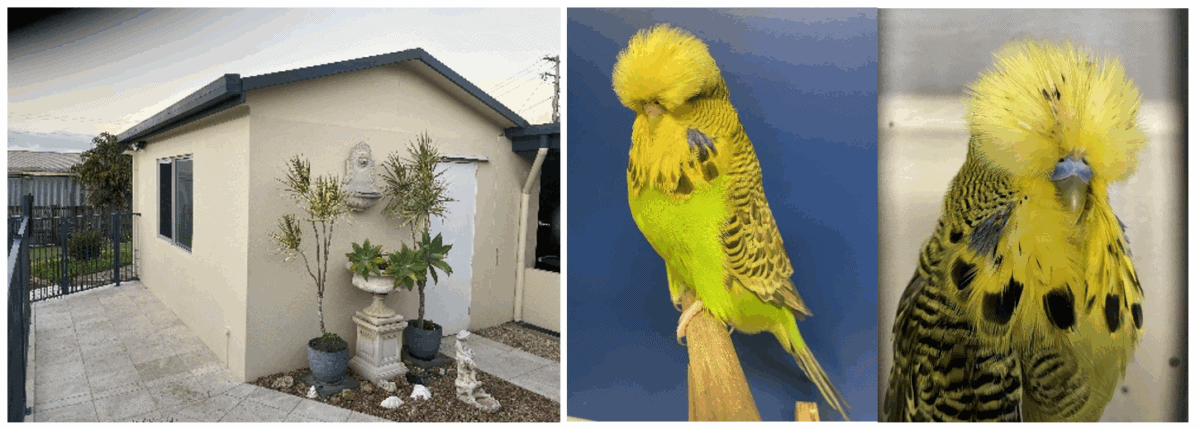
Representing Mackay: Open breeder and club president
Michael is an Open exhibitor with the Mackay City Budgerigar Society Inc., and he has held a variety of roles within the club over time. Most recently, he has been elected President.
Michael describes the Mackay club as friendly and united—members who enjoy each other’s company and share a love of the hobby. Like many regional clubs, they face the challenge of a small active base, but the spirit is strong.
Varieties Michael Pace keeps: Normals, Cinnamonwings, Spangles, Pieds, and more
Michael isn’t locked into a single variety—he enjoys the broader challenge of improvement across multiple lines. His stud includes:
- Normals
- Cinnamonwings
- Spangles
- Pieds
- Yellow Faced
- Lutinos
- Dark factors
- Fallows
- A small number of Opalines and White Caps
When asked about a favourite, Michael doesn’t pick one. His enjoyment comes from improving features—refining what he already has. He admits Lutinos can be particularly frustrating, but he refuses to give in to them.

Advice for progressing in budgerigar breeding and showing
Michael’s recommendation for new and improving breeders is direct: avoid spreading too thin too early. He believes most novices make the common mistake of trying to breed every variety they can. While experimenting is part of learning, progress tends to be slow when focus is scattered.
He refined his program by reducing varieties and concentrating on the main lines—especially quality Normals, which can underpin improvement across other varieties.
- Start with strong fundamentals (especially Normals)
- Buy from consistent, successful studs
- Don’t try to do everything at once
- Build improvement steadily without losing what you’ve already gained
A defining moment: a National win after ICU
Michael’s favourite memory in the hobby is his first ANBC National win in Toowoomba—not only because of the achievement, but because of the timing. The win came just one week after Michael had been admitted to ICU with a heart condition.
His wife, Fabia, stepped in and carried the preparation load—getting 40 show cages ready for the selection show. Michael credits her support as the reason the outcome was possible.
At the ANBC venue, the pressure built during judging. Friends worried about him as judging ran about 20 minutes overtime in a difficult class. Thankfully, it didn’t require mouth-to-mouth—just a strong moment of relief and, in Michael’s words, a double shot of rum and coke.
Overseas aviary tour: UK and Europe and the birth of “Captain”
In 2016, Michael travelled overseas for three weeks with a group of budgie mates to visit some of the best aviaries in the UK and Europe. He has visited international studs including Mike Ball, Marten Haylen, Harry Hockaday, and Daniel Lutolf, and he speaks highly of both the quality of the birds and the attention to detail.
He would dearly love to see Ali Boresli’s stud, and the trip also delivered a nickname—Michael earned the name “Captain”.
Australian aviary visits and respect for top studs
Within Australia, Michael has visited many respected aviaries including Fellows, Gazzard, Thurn, Holmes, Leong, George, Hunter, Ennis, Barnett, Slade, and Kamel, among others. He says none disappointed and he is a big fan of the MRF stud.
Developing bloodlines: quality purchases and long-term support
Michael points to a clear turning point in the improvement of his birds: purchasing stock from quality studs and building relationships with mentors willing to support him over time.
- Clint Ault
- Mark and Rebecca Fellows
- Gary Gazzard
Michael highlights not only the birds, but the people—describing them as exceptional and supportive. His philosophy is simple: keep adding quality where it fits, but don’t lose what you’ve already built.
The aviary layout: practical, proven, and ready to expand
Michael’s setup has remained relatively stable:
- Breeding room: 4m x 3m
- Flights: 3 flights, each 1.2m x 3.6m
He has been given the green light to build a new “all-in-one” facility, and hopes that expansion will happen within the next couple of years.

Feeding regime: keeping it simple in a busy family life
Michael’s base diet is a budgie mix from Australian Wildlife Supplies. Extras are used periodically, including rosemary branches, lemon grass sprays, Johnson grass sprays, guinea grass sprays, cut lemons, hulled oats, red panicum, jap millet, and millet sprays.
Soft food recipe: a breeding-season game changer
Michael feeds soft food during the breeding season and believes it has improved chick-feeding reliability. His soft food includes carrot, beetroot, silver beet, sprouted wheat, hemp seeds, quick oats, greens and grains, and vitamin/mineral powders.

Additives, humidity, and tropical realities
As a North Queensland breeder, Michael is cautious about additives due to humidity. Sugar-based additives can be risky in warm, damp conditions, and mould and yeast infections can happen quickly. He emphasises clean water and fresh food as essential.
Michael does not use cuttle bone due to concerns about microorganisms, but he does use products such as Breed Plus Pro and Feather Support.
Treating sick birds and managing health
Michael keeps a small toolkit for treatment and notes that a heated hospital cage is the best life saver in the bird room. In the tropics, preventative strategies for common issues are important, and he aims not to overuse medications.
Fertility and outcrossing: improvement without fear
Michael avoids breeding too closely and isn’t afraid to outcross when it makes sense. If he outcrosses, he does it with purpose and tries to use the best he can.
He has found worthwhile outcross value from reputable aviaries including Peter Thurn, Troy Holmes, John Ennis, Craig Barnett, and Ian Hunter.
Concerns in the hobby: rings, dates, and participation
Michael has two key concerns: ring issue dates and ANBC show timing, and that more breeders appear to be leaving the hobby than joining. As a school teacher, he believes the digital age can make hobbies like ours less appealing compared to instant gratification from screens.
Respect in the fancy: mentors, Hall of Famers, and quiet contributors
Michael says there are very few people he doesn’t respect in the hobby because budgerigar breeding demands resilience, patience, and tolerance. He believes anyone who reaches Hall of Fame level has earned deep respect.
He singles out Peter Drew and Doug Wales from the Mackay club, and also acknowledges Joel Keune for his support.
Life beyond budgerigars: outdoors, family, and timberwork
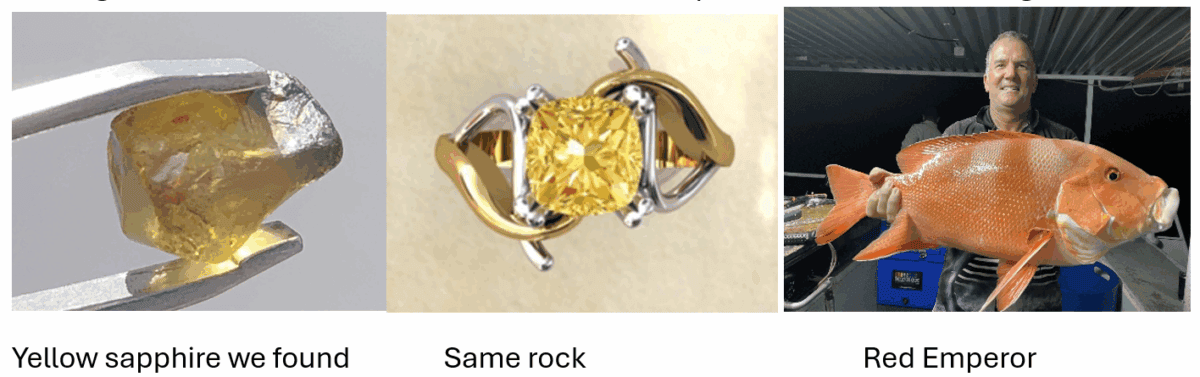
Michael loves the outdoors. His hobbies include fishing, crabbing, golf, cricket, camping, gem hunting, gardening, making furniture and decorative timber items, and caring for acreage.

Favourite food, film, and team
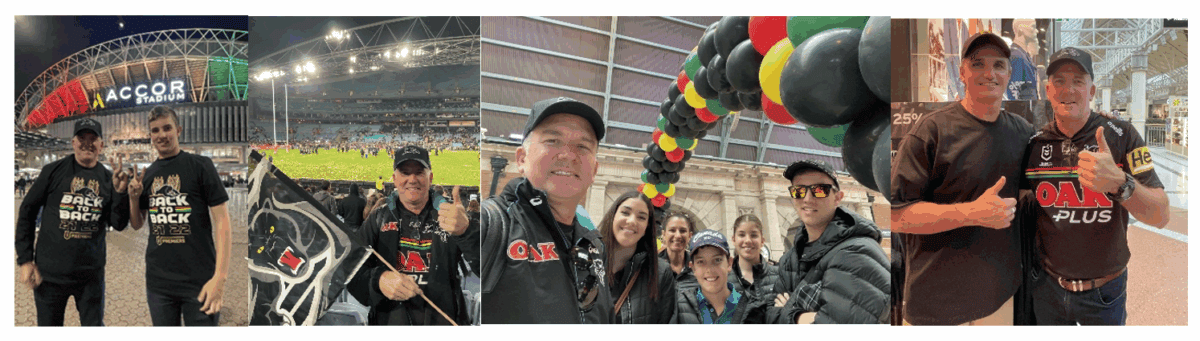
Michael’s favourite foods are mud crab, rigatoni ragu (a Pace family recipe with Sicilian roots), and his Mum’s trifle for dessert. He supports the Penrith Panthers, loves The Shawshank Redemption, and enjoys comedian Carl Barron.
Three things Michael would love to do
- See his four children happy and prosperous in adult life (and hopefully hold grandchildren one day).
- Take a trip to the Maldives with his wife, Fabia.
- Go on a barra safari to the Top End with his two sons.
See Michael Pace at the ANBC National Show
Michael hopes to see everyone at the Gold Coast ANBC National Show. If you see him there, please say g’day.