Australian National Budgerigar Council


Craig Buckingham 2026
Interview with Craig Buckingham
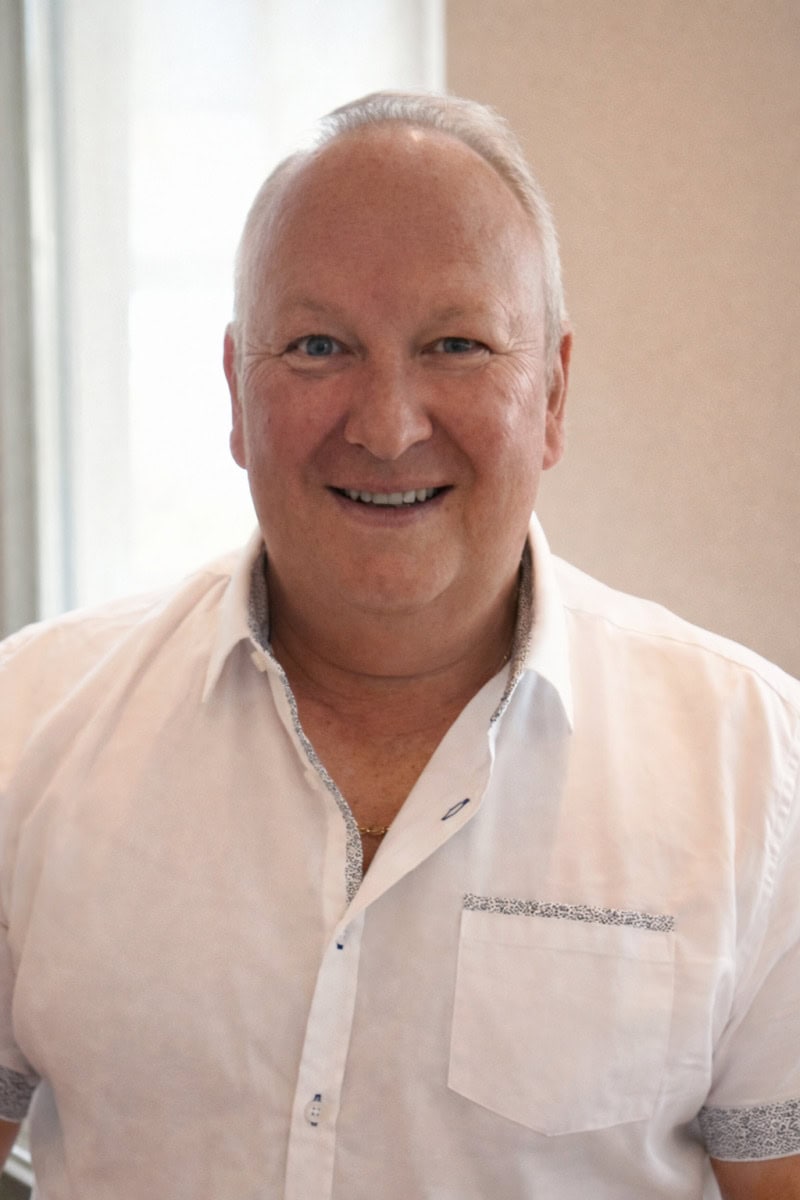
What sparked your interest in budgies and how long have you been in the hobby?
Back in the early 1970s, I was 10 years old and my father had hundreds of budgies. It was a given that we would partner up and breed and show. We were members of Northside Club in Sydney and, over the next 10 years, we bred many birds and won many major awards. This was in the days of many prominent breeders, namely Harry Cooper, Neville Sage, Fred Cardona and many more. Needless to say, this is when I gained a lot of information and knowledge about the breeding and showing of budgies. I was hooked.
Unfortunately, in 1978 my father was diagnosed with MND and by 1980 he passed away. Sadly, my interest was no longer with budgies and I sold them all.
It wasn’t until approximately 1996–1997, after being married for 10 years and having two beautiful daughters, that my interest sparked again as my girls asked if they could have a pet budgie. Next thing I knew, I had an aviary built, purchased some birds and my love of budgies had returned. By the way, my daughters never got their pet budgie, but guinea pigs instead.
Describe your set-up and how many breeding cages do you have?
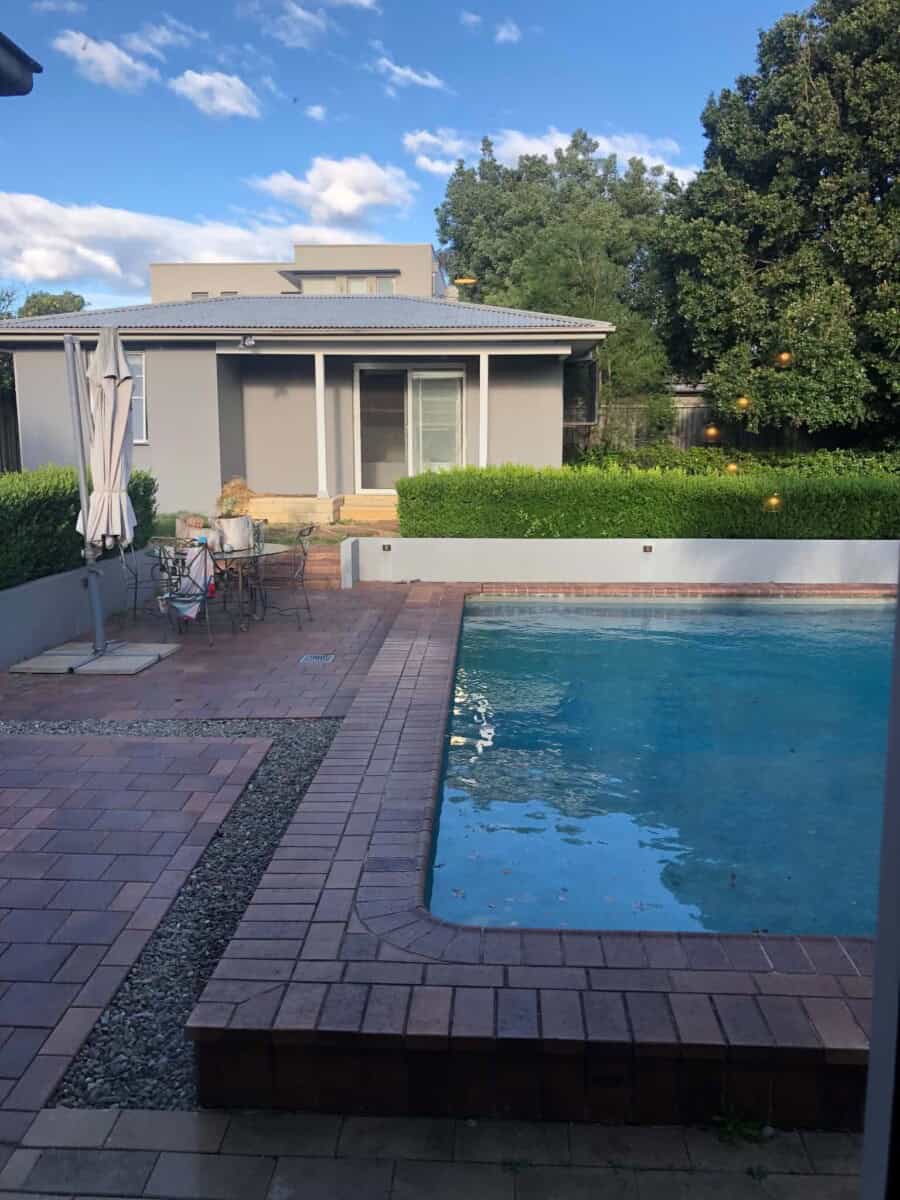
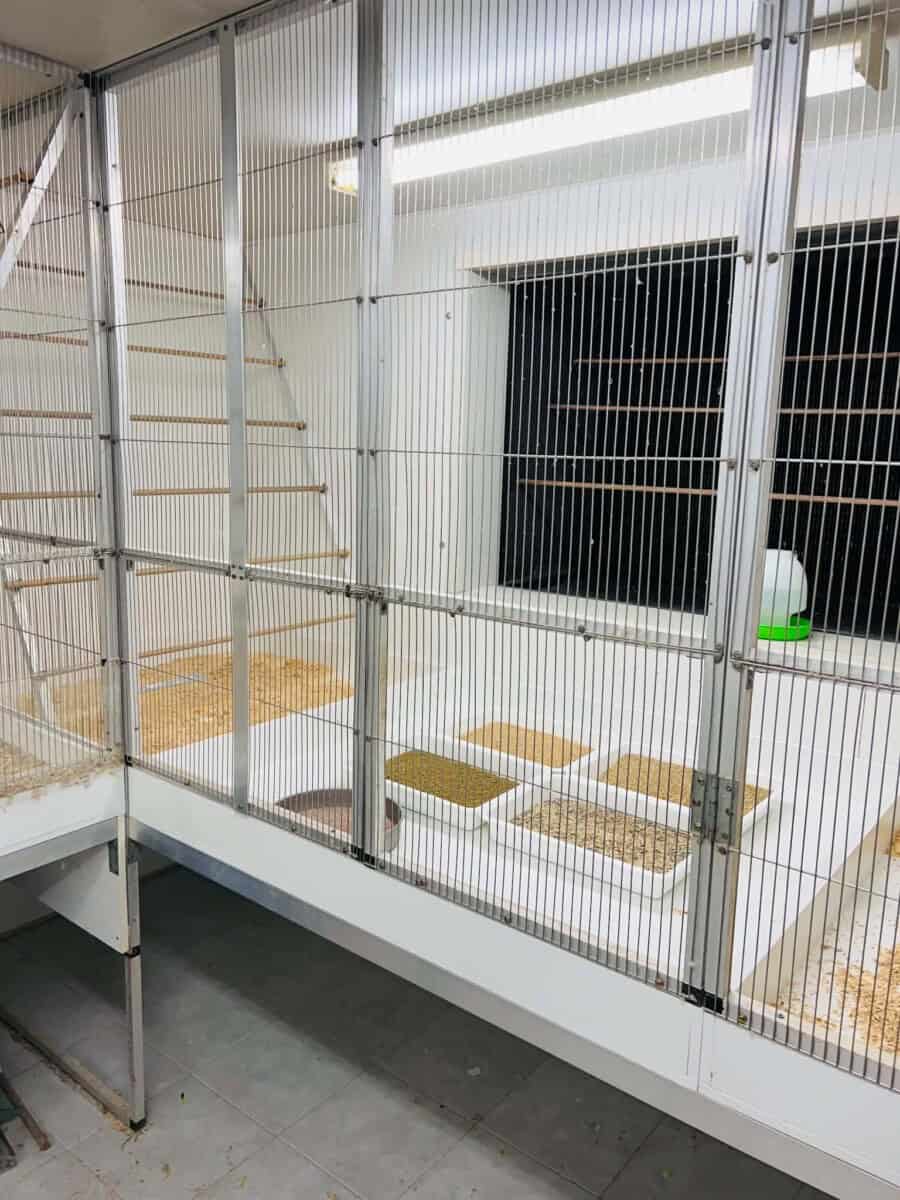
I have a Hebel brick aviary with a pitched Colorbond roof and tiled floor on a concrete slab, approximately 9 metres by 5 metres. It has a breeding room measuring 5 metres by 3 metres, which can be closed off from the flights. I have two medium-sized flights, raised about 800mm off the ground, each measuring 4 metres by 1.5 metres internally, both with fly-outs so the birds can get sunshine and rain. I also have a mobile two-tier nappy/training cage. The aviary also has a kitchen sink, bar fridge and numerous storage bins.
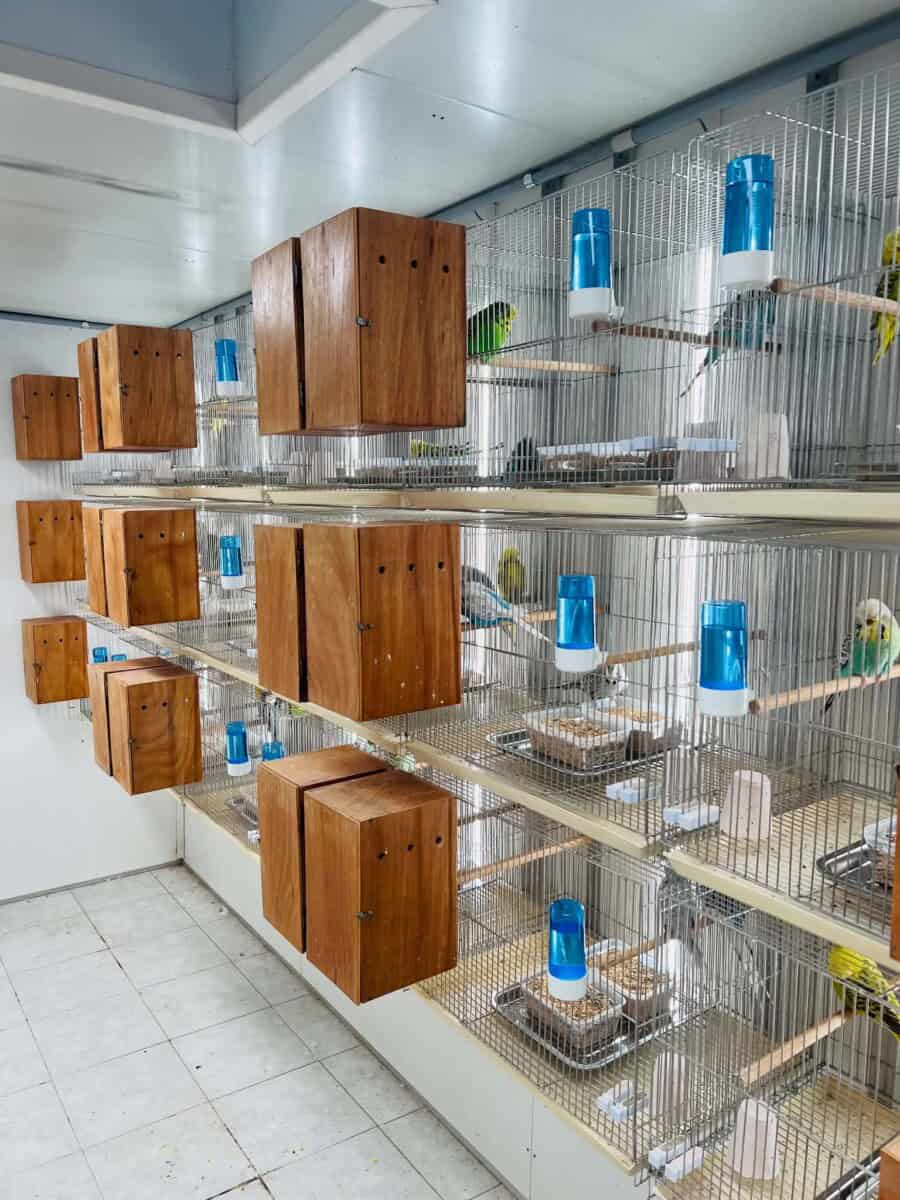
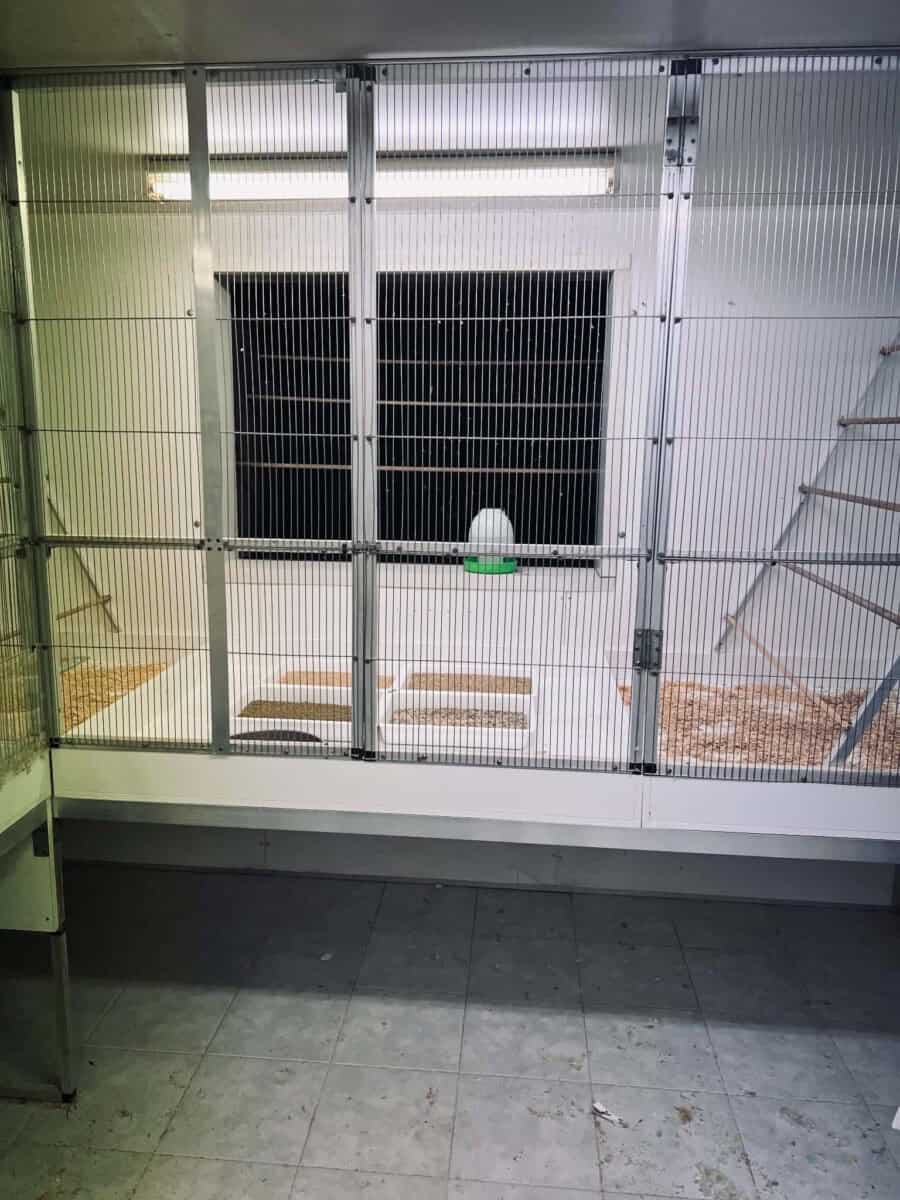
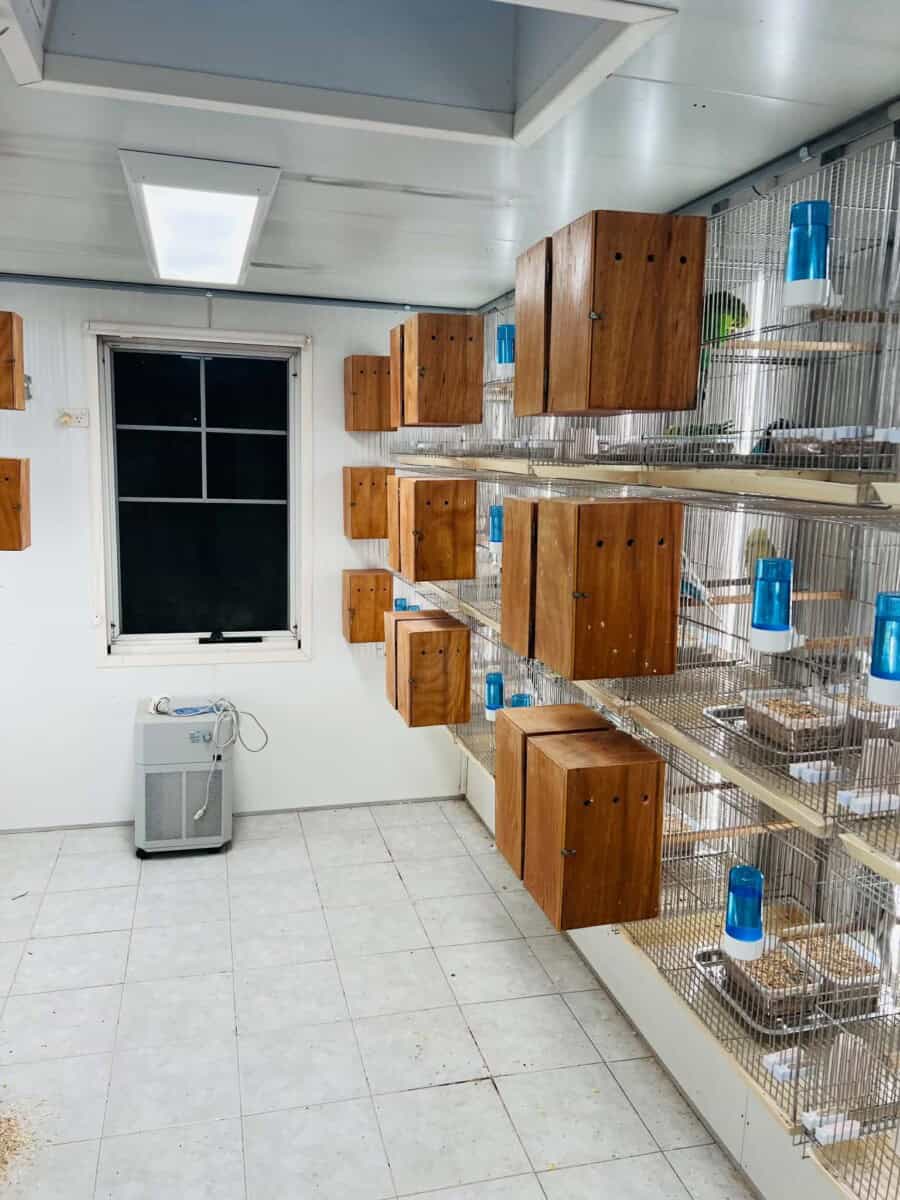
The breeding room consists of 30 polished stainless steel wire cages with trays, specifically made to my specifications with left- and right-hand nest boxes. The boxes are made from plywood and coated in a non-toxic clear finish. Recently, I have changed all the lighting to LED.
With LED strip lighting behind each breeding cabinet, the bottom cages get the same light as the top cages with no shadows. With the number of varieties I breed, all cabinets are used for six to eight months of the year.
What is your current breeding status and which club do you represent?
I have always been an open breeder. Going back to the days with my father, we showed in open and, since 1996 to now, I have always shown in open.
I belong to Hills Budgerigar Club in the Hills District of Sydney. When I got back into birds in 1996, I looked up Northside Club, to which I used to belong. However, when I went to a meeting night, all the old faces had gone or moved on. I enquired about one of my dad’s mates, the late great Peter Dodd, and was told he was at the Hills Club. I went to their meeting night and found a great group of people, lots of guys and girls my own age and keen on breeding quality exhibition budgies.
What do you like about your club?
Like I mentioned above, it is a really great group of guys and girls who are keen to be involved in club activities and keen to breed quality birds to support our club at shows. We organise talks from people who may have some added value to our hobby, such as veterinarians, judges, prominent breeders from other states and product suppliers. We also organise aviary visits throughout the state. We have our club shirts and represent not only at our own shows but also at many other club shows in NSW. We have all become very good mates over all these years.
What varieties do you keep and what is your favourite?
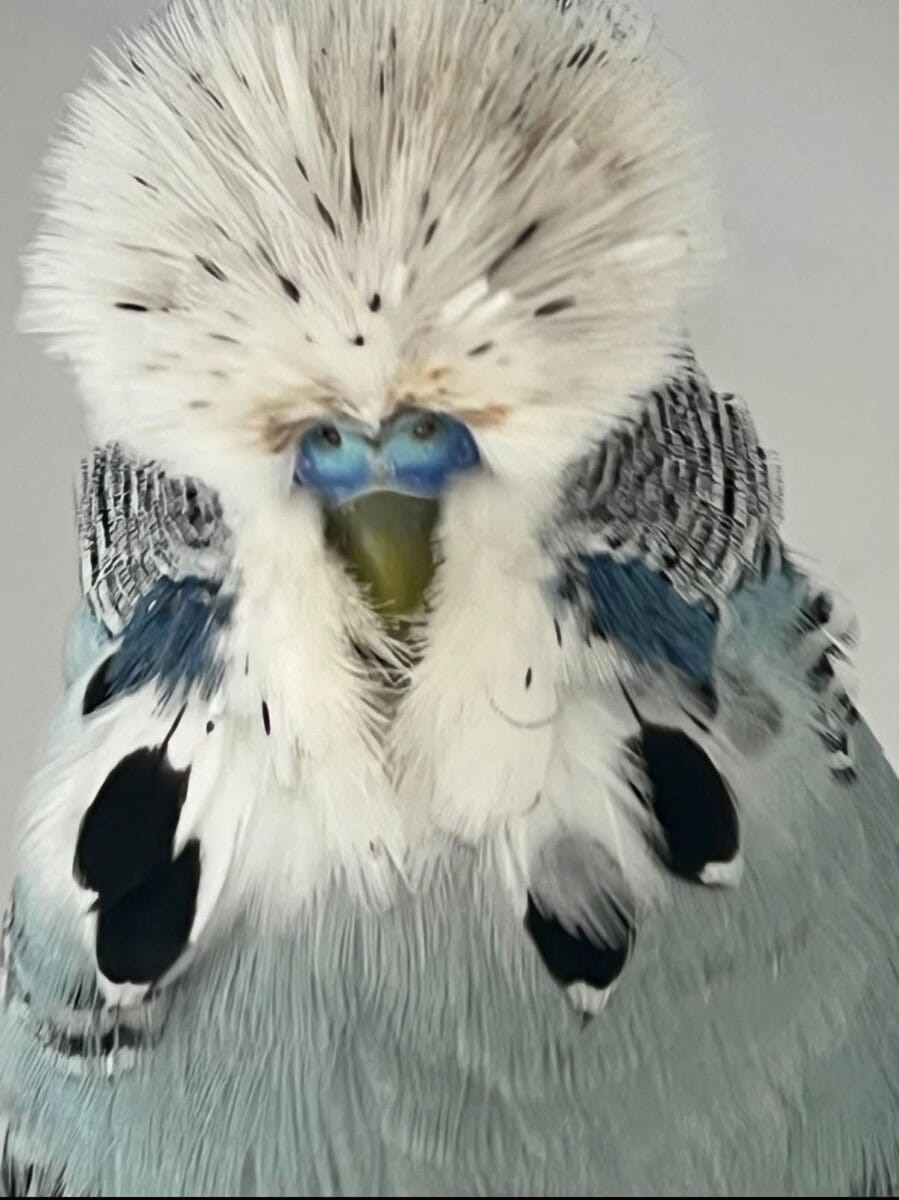
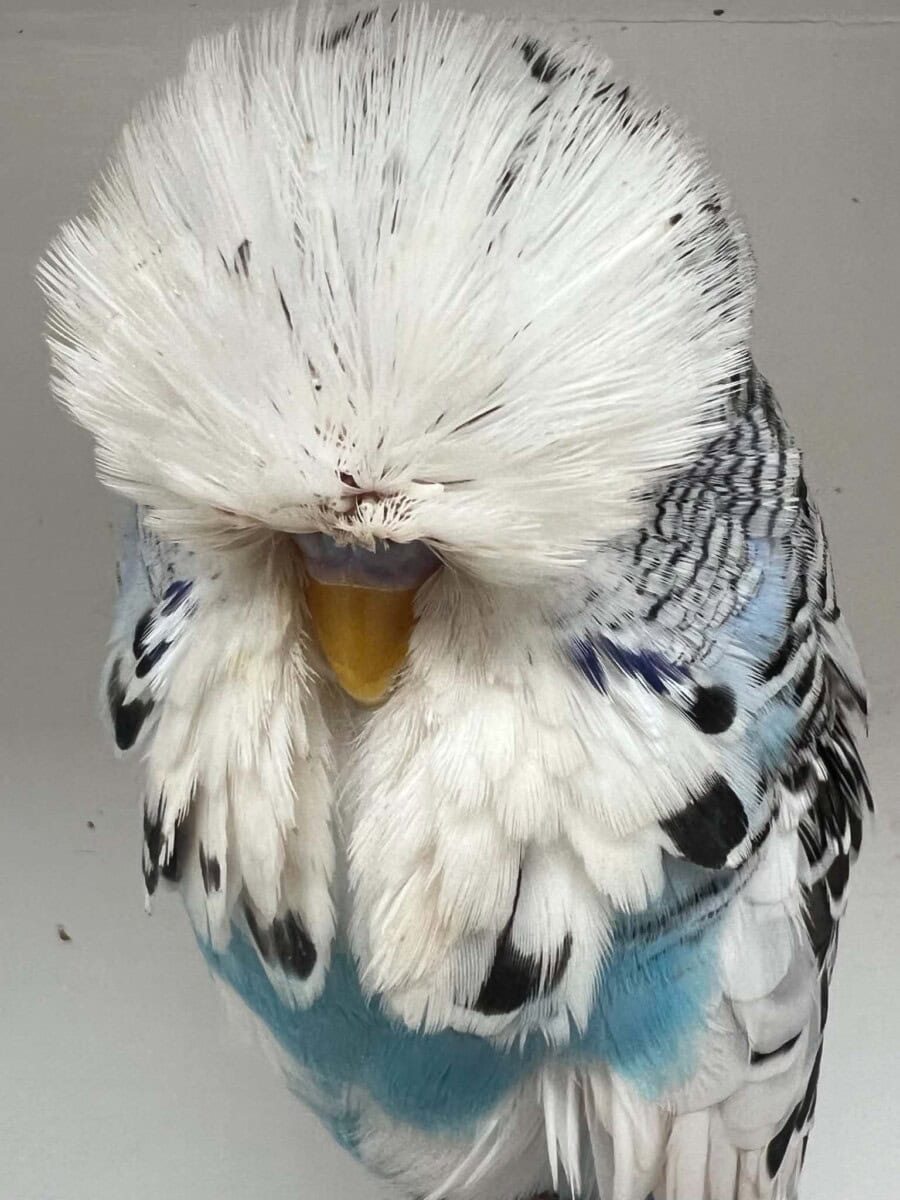
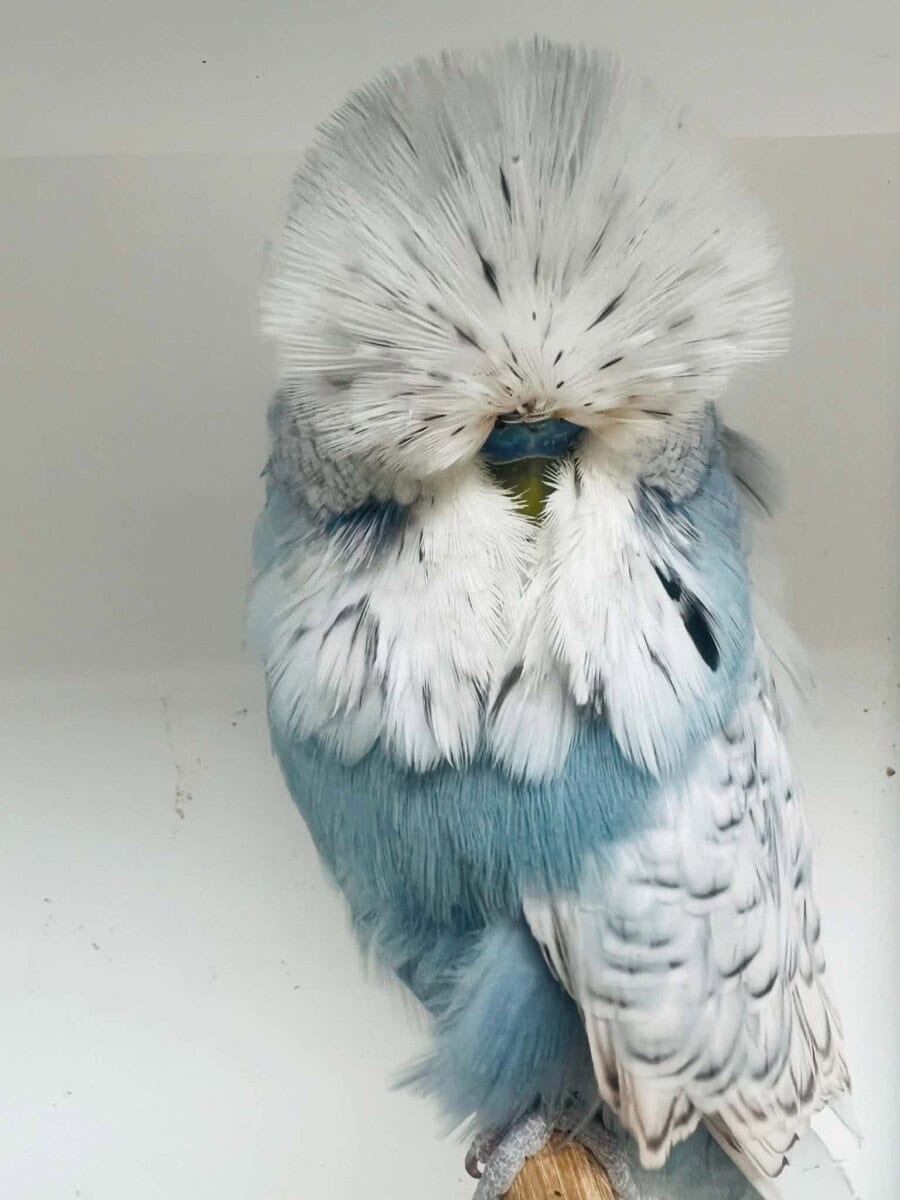
I keep most dominant varieties, including Normals, Opalines, Cinnamonwings, Spangles and Dominant Pieds, as I don’t believe you can take on any recessive varieties successfully if your dominant varieties aren’t strong. I dabble in Lacewings and Inos. The recessive varieties I keep are Recessive Pieds, Fallows and Clearwings, and again not in big numbers.
My favourites would have to be Spangles and Normal Greens, but a super budgie in any variety would automatically be my favourite.
What birdroom would you like to visit either in Australia or overseas?
I have been fortunate to visit many in Australia. However, there are three breeders whom I admire and yet haven’t had the opportunity to visit, namely Troy Holmes, Jeffrey Leong and Bill & Mitch Boal.
Troy, because I can see the modern face is coming strong through his line and because he gave a talk at our club one night and it was the most fascinating discussion about his set-up and how he assesses his birds for breeding.
Jeffrey and Bill & Mitch, because both their studs have an individual look to their birds and it seems to be there in depth.
Jeffrey always has strong, large birds with good deportment, nice feather, great condition and proportionally well put together birds.
Bill and Mitch again have birds with good deportment, sitting up off the perch with real showmanship. The faces on their top birds are all very similar, with super top ends and again proportionally well put together.
As for overseas studs, I will be very predictable and say Daniel Lutolf, mainly because of the unique directional feather everywhere, something we may never see in Australia.
How have you developed your bloodlines?
My initial bloodlines started in 1996 with two breeders who were at the top of their game at that time and had similar bloodlines, as they swapped birds regularly: 10 from Col Alison and 10 from David Sinclair. I bred these birds together over several years, determining what birds and combinations produced the quality I was after. Once I had the lines I wanted, I dispersed the rest and then started purchasing one or two outcrosses each year.
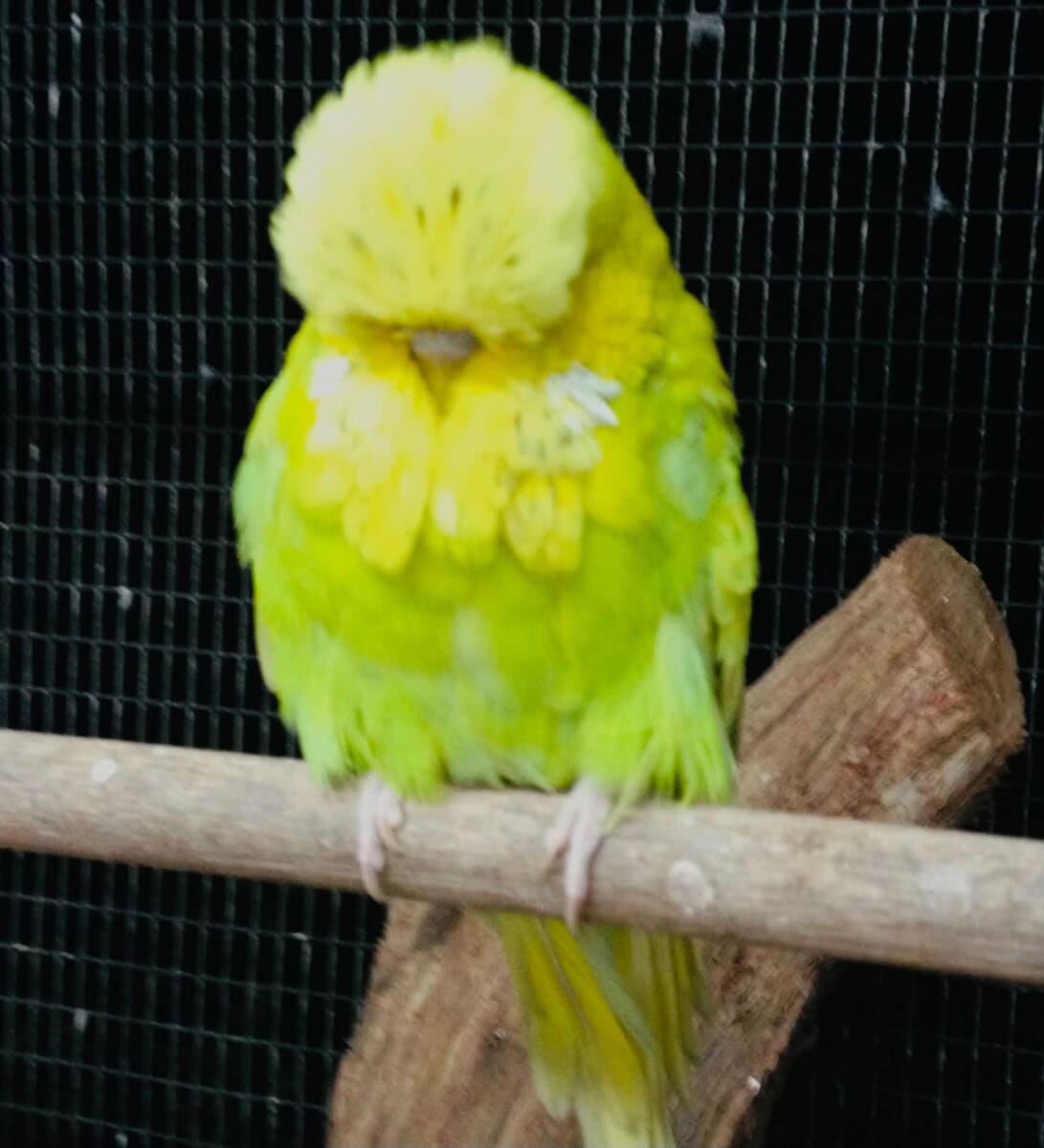
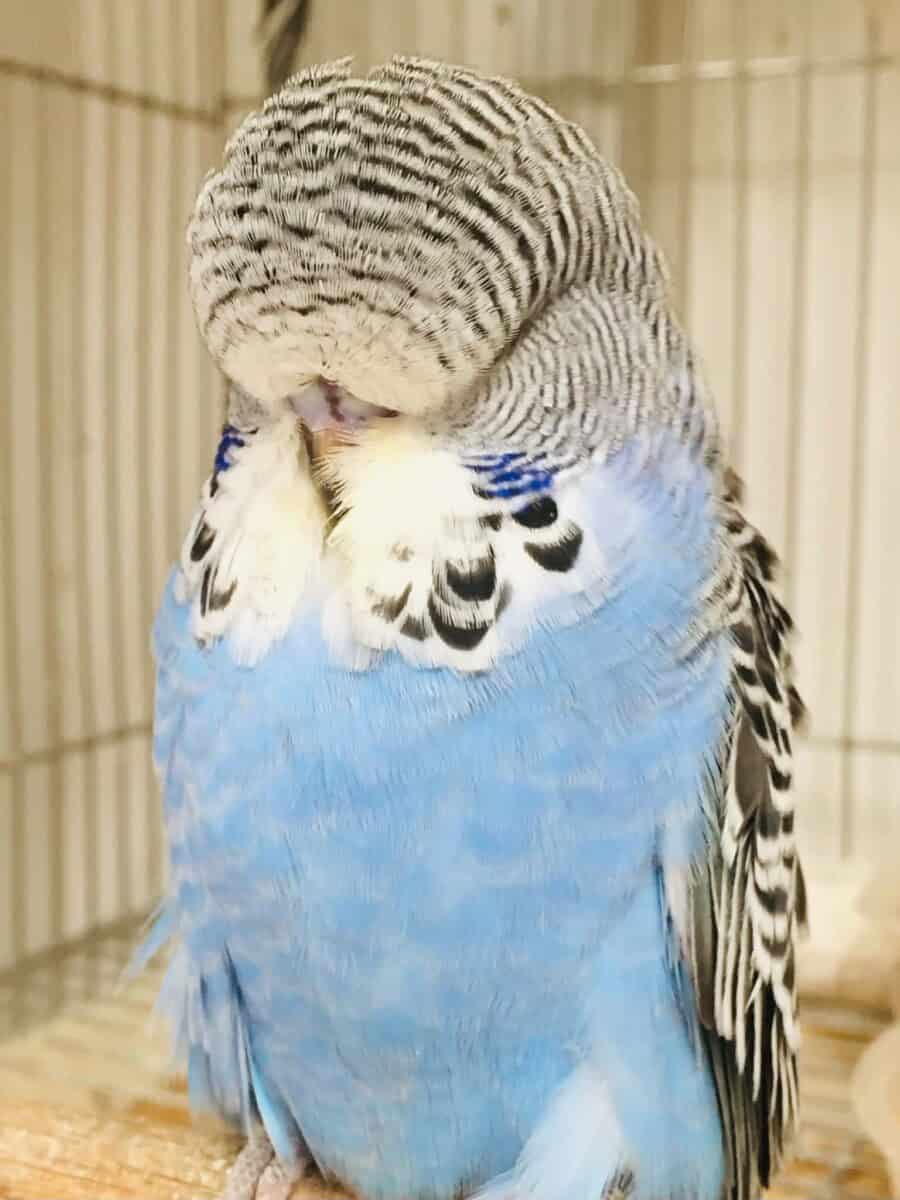
A bird I purchased in 2005 was a Spangle Grey Green Cock from Ian Hannington. This bird made an amazing difference to my stud, giving me a line of Spangles that were extremely successful on the show bench and at national level for many, many years. Other breeders whose birds influenced my stud were Gary Gazzard, Mark Fellows, Mick Gearing, Jeffrey Leong and Troy Holmes.
 2013
2013
 2015
2015
 2016
2016
 2018
2018
 2019
2019
 2020
2020
 2020
2020
 2022
2022
 2022
2022
 2022
2022
 2023
2023
 2023
2023
 2024
2024
 2023
2023
 2024
2024
 2024
2024
 2025
2025
What is your feeding regime and do you feed soft food?
My regime is standard seed mix, available to all birds every day and purchased directly from the farm in Quirindi, NSW, clean and with no dust. My mate Andre and I buy a tonne at a time and share it.
Flights get a dish of small parrot mix twice a week. Flights are also supplied with a dish of Volcamin grit and a dish of BVM powder. Fresh water is provided every second day.
Breeding birds get standard seed mix, plus a dish of one-part small parrot, one-part green and grains, and one-part hulled oats available every day. A finger draw of Volcamin grit and a finger draw of BVM powder are also provided. Fresh water is provided every second day.
About a month before pairing up, all birds in flights get added to their standard seed mix two different oils: hemp, cod liver and wheatgerm. Once the seed is coated, I add Feed Enhancer powder, Tummy Rite powder and White E powder. This is fed every day until birds are put into breeding cages. Once in breeding cages, I remove White E from the mix and continue with the other additives.
Yes, I feed soft food to breeding pairs as soon as they are put into breeding cages. It is my own recipe called Bucko’s Softfood and is used by many club members and others who have heard about it. Feeding soft food may not produce you a Grand Champion, but it should allow your babies to reach their full potential. The recipe is available on request.
How do you treat sick birds?
Firstly, I try not to have sick birds in the first place because, generally, once birds present as sick, making them healthy again is a very difficult task. If you do get them back to good health, once they are under stress again, they often do not do well. So at my place, it is survival of the fittest.
For preventative measures, in the past I would run my birds on a two to three-week course of Doxycycline about six weeks prior to breeding. However, I haven’t done that for about six years and only this year have gone back to this process with a product called DOXY-T for two weeks, followed by probiotics.
How do you maintain good health and fertility in your aviary?
Good health is maintained by, firstly, good animal husbandry, checking your birds twice a day, morning and night, for any signs of dirty vents, injuries and birds that might be looking a bit light or fluffed up. It also means keeping your aviary generally clean and free from as much dust as possible by having good cross-flow ventilation, keeping water clean and fresh, spraying for mites and worming your birds. As above, I also use a preventative antibiotic once a year and feed a good diverse diet of seeds, vegetables and vitamin powders.
Fertility for me is a two-point answer.
1. Selecting birds that not only produce quality but also produce good numbers in the nest. As we all know, our very best birds often only produce one or two chicks a round if we are lucky. So selecting the slightly lesser brothers and sisters to breed with will often produce more numbers and regularly good quality with the same or similar genetics.
2. Using Vitamin E powder, as it is a potent antioxidant that supports fertility and good hormonal balance. However, be careful with its prolonged use in budgies, as it has been known to make your birds a little aggressive around breeding time.
What issues in the hobby concern you and why?
The main concern I have with our hobby is the ageing population. Most members have been in the hobby for many years and not a lot of younger people are showing interest. I am considered young in our club, and I am 64 years old. One of our South Coast clubs recently closed its doors due to the age of most of its members, either passing on or being unable to do the day-to-day tasks of running a club.
I am not sure what the answer is to this problem. However, I do see in South Australia, spearheaded by Troy Holmes, that through media coverage, social media and other forms of advertising, he may be making some headway. Good on you, Troy.
What other part of the hobby do you enjoy and do you have other interests?
I have a passion for judging. I have been a Senior Panel Judge in NSW for many years, I have been involved with the training of judges in NSW for many years, I am the Chairman of the Judges Panel in NSW and recently became a National Judge, one of only two in NSW.
My greatest enjoyment in this hobby is being asked to adjudicate at numerous shows around the country, travelling to shows where I have made so many friendships with fellow breeders and exhibitors, and having the opportunity to spend the weekend in country towns, enjoy a beer and chat with some real characters in this wonderful hobby. Recently I have been asked to judge in New Zealand, another great opportunity for me to catch up with some old friends and meet new ones.
Another interest and passion I have outside birds is golf. I play competition golf every Wednesday, I play social golf, nine holes, with my brother and a few mates on Friday afternoon, and then head into the club for a few beers.
I run a kitchen and bathroom renovation business and have done so for the last 38 years. It keeps me busy to this day.
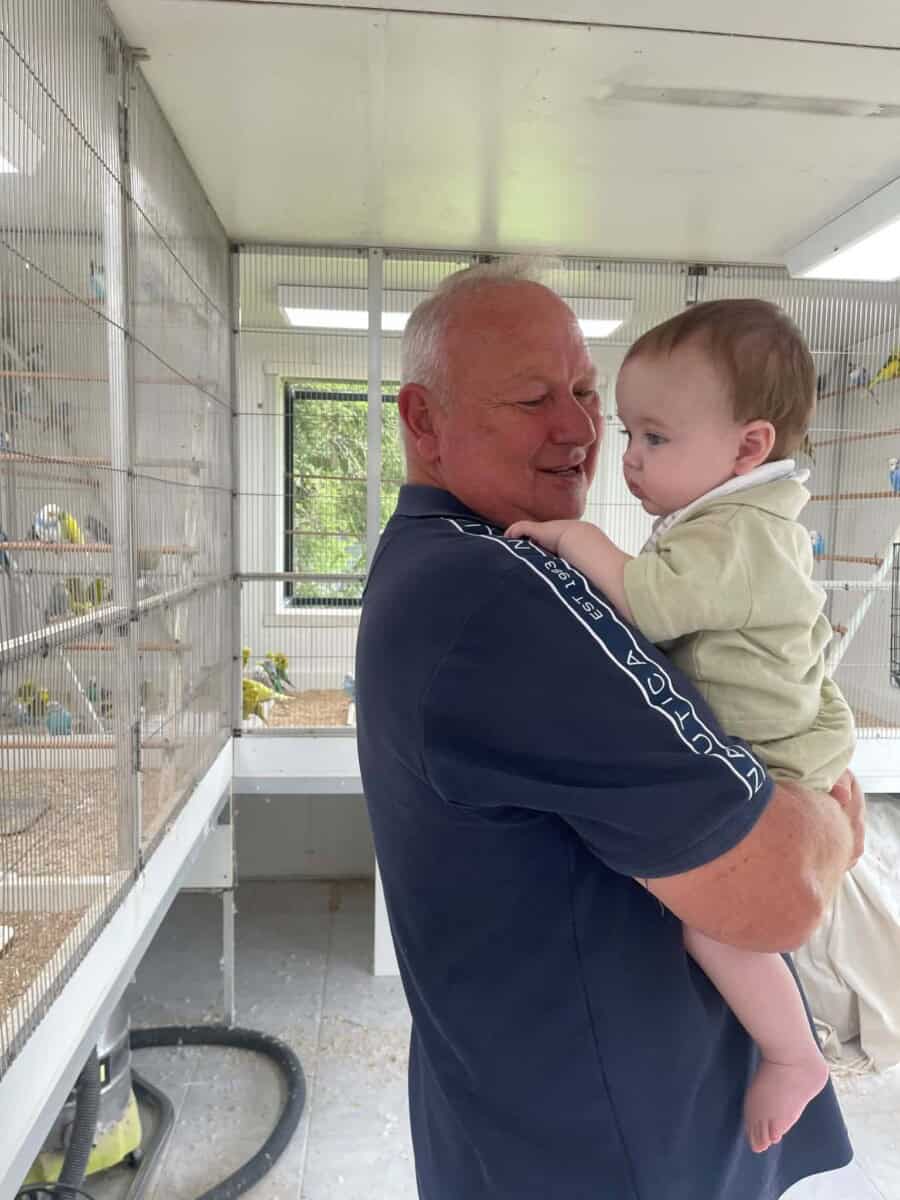
So, my life is pretty full. With my love of budgies, my love of golf, a business to run and a wife to share my life with, I now have the greatest joy of my life: a two-year-old grandson who seems to have a fascination with the budgies, and I can’t wait to explore it with him.