Australian National Budgerigar Council


Breeding Strategies
Breeding Strategies — A Lifetime of Learning
From humble beginnings in the 1960s to the refined studs of today, breeding budgerigars has always been a journey of patience, observation, and continual learning. What follows is a deeply considered insight into breeding philosophy, developed over decades at the highest level of the hobby.
Where It All Began
The journey began in 1964, at just 11 years of age, when the first pair of budgerigars was gifted by a family friend. From that moment, a lifelong passion was born.
A pivotal influence came in 1969 with a visit to the UK, where the birds of Harry Bryan left a lasting impression. Later, connections with Jo Mannes further strengthened the foundation of the stud, with shared bloodlines forming the backbone of future success.
“The rest is history — but it is a history built on observation, patience, and constant refinement.”
Understanding Breeding Methods
Outcrossing
True outcrossing is rare in modern European studs, with most breeders working from a relatively narrow genetic pool. Introducing birds from another stud should be purposeful — targeting specific traits rather than chasing novelty.
The introduction of Spangles marked one of the few genuine breakthroughs, improving both vitality and fertility across many lines.
Inbreeding
Close inbreeding, such as pairing direct relatives, presents significant risks. While it may fix certain traits, it also tightens the gene pool, limiting flexibility and increasing the likelihood of fertility issues.
Over time, excessive inbreeding can create a ceiling — where progress stalls and vitality declines.
Family Breeding
The preferred approach is structured family breeding. Maintaining multiple lines allows each to retain its identity while contributing to the overall improvement of the stud.
Each variety brings its own strengths:
- Normals — compact “owl” faces
- Dark factors — size and length
- Cinnamons — refined facial features
- Opalines — width and spotting
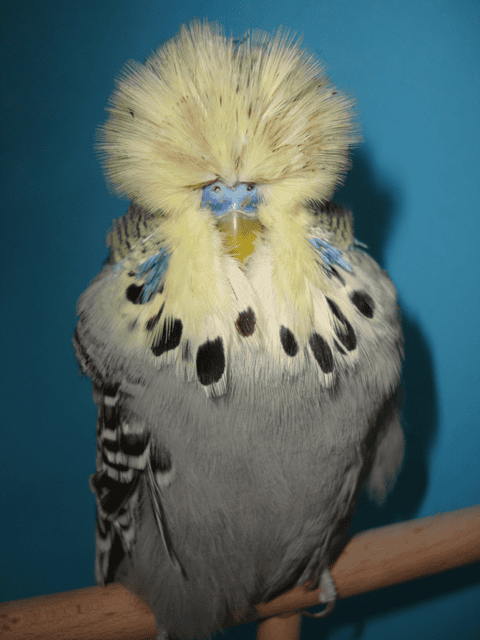
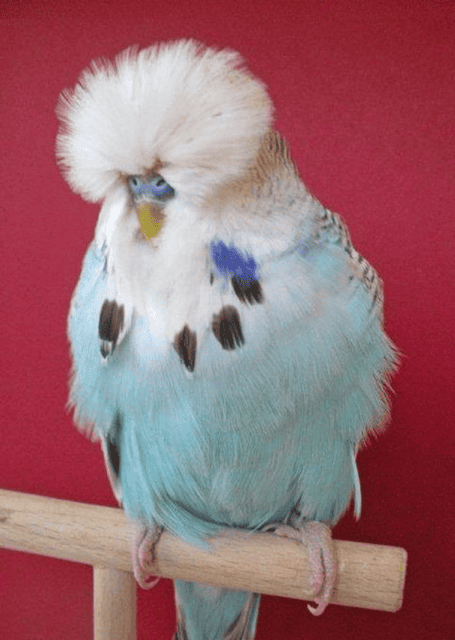
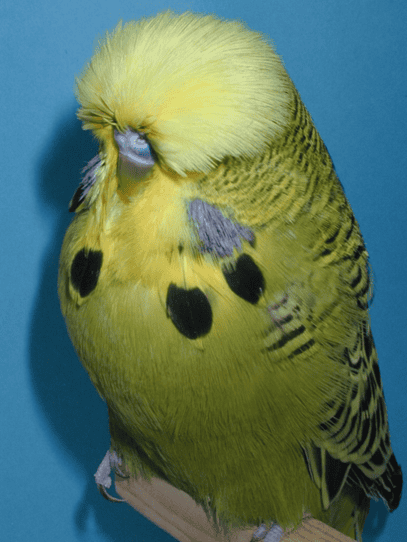
- Spangles — head shape and lift
By carefully crossing between families — or “incrossing” — breeders can strengthen traits without losing genetic diversity.
“You make your own outcrosses — and in doing so, keep your stud fresh for years to come.”
Timing the Breeding Season
In Europe, the traditional January ring issue forced breeding into winter — an unnatural time for birds. A shift to an October-based season better aligned with natural breeding rhythms.
Spring and autumn offer optimal conditions, while summer presents challenges such as parasites and heat stress.
The result is a breeding window from September through to May, with improved consistency and bird condition.
Pairing Philosophy
Pairing is not simply a logistical exercise — it is a careful assessment of readiness, compatibility, and behaviour.
Each bird must be considered individually. Some thrive with multiple rounds, while others require rest after a single clutch.
Above all, forced breeding is avoided. The birds themselves ultimately dictate timing.
Nutrition — The Foundation of Success
Nutrition must reflect the modern show budgerigar — a bird far removed from its wild counterpart.
A balanced seed mix forms the base, typically including:
- 50% canary seed
- 20% Japanese millet
- Additional millets to encourage full consumption
Soft food becomes the key variable, allowing adjustments based on breeding stage. Protein levels are increased during breeding, while quieter periods intentionally reduce intake to prepare birds for peak condition.
What Makes a Valuable Breeding Bird?
Success is not measured by show wins alone.
- Quality of offspring
- Consistency and productivity
- Breeding compatibility and vitality
A visually impressive bird holds little value if it cannot reproduce its qualities. Conversely, a modest bird with strong genetic output is invaluable.
Feather — The Critical Detail
Feather quality defines the modern show budgerigar. Key elements include:
- Structure — fine versus coarse
- Shape — ideally round and balanced
- Pigmentation — depth and coverage
- Direction — feather flow and placement
- Strength — resistance to faults and cysts
The modern feather provides exceptional visual appeal but introduces fragility. Managing this balance is essential to long-term success.
“Every bird carries its own feather fingerprint — and that fingerprint defines its future.”
Breeding Towards the Standard
Breeding top-quality birds is often compared to a game of chess. Success comes not from quick wins, but from strategic, long-term thinking.
Small improvements — refined head width, better feather direction, improved spotting — must be layered over generations.
Progress requires doubling up strengths while carefully managing faults.
Modern Housing Systems
Housing has evolved to support bird health and breeding performance.
Flight cages approximately 2 metres high and long provide comfort and conserve energy, while breeding rooms operate as controlled environments.
- Automated lighting systems
- Temperature maintained around 18°C
- Humidity controlled at ~60%
- Airflow managed via ventilation systems
- UV-C filtration for hygiene
This level of control allows breeders to create optimal conditions year-round.
A Lifetime of Refinement
Breeding budgerigars at a high level is not about shortcuts. It is about understanding the birds, respecting their limitations, and continually refining your approach.
The most successful studs are not built overnight — they are developed patiently, generation after generation.
“Work with your birds, not against them — and your stud will improve itself.”
Jack Cuijten (Holland)