Australian National Budgerigar Council


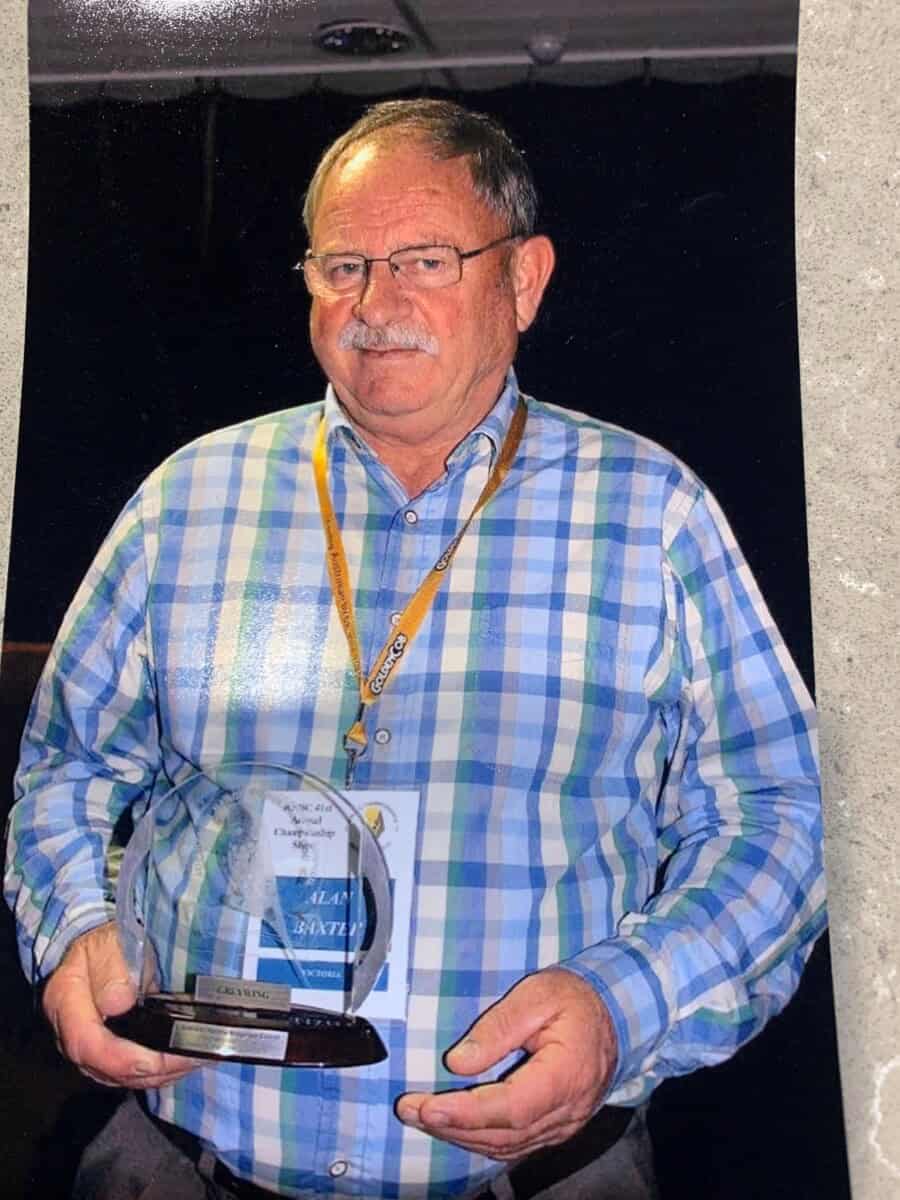
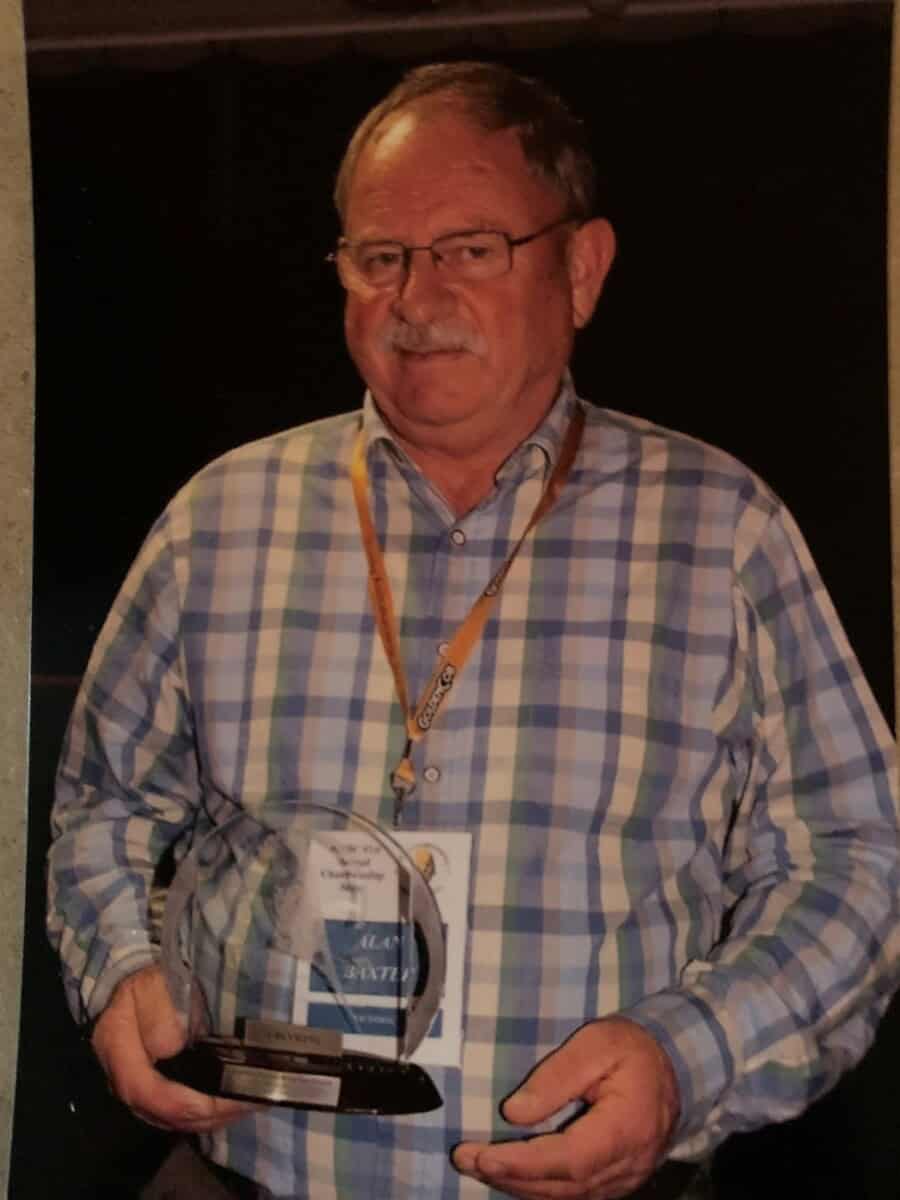
Alan Baxter 2026
As a young boy I developed an interest in budgerigars, particularly the remarkable range of colours and varieties. I wasn’t a member of a bird club at that stage, but I bred a few pairs simply for my own enjoyment.
Unfortunately, that early interest only lasted for a few years before work commitments took over. I left school and started full-time work at sixteen years of age. Later in life I was married and raising a family.
A few years later I decided it would be nice to have a few budgerigars in the backyard for my daughters to enjoy. Little did I know that this simple decision would go on to occupy a big part of my life.
I purchased a few pairs of birds from a reputable breeder who encouraged me to join a bird club because, as he said, the birds were too good to simply keep in an aviary and not to breed with. I first joined the Diamond Valley Budgerigar Society and, a few years later, became a member of the United Budgerigar Society, where I remain a member to this day.
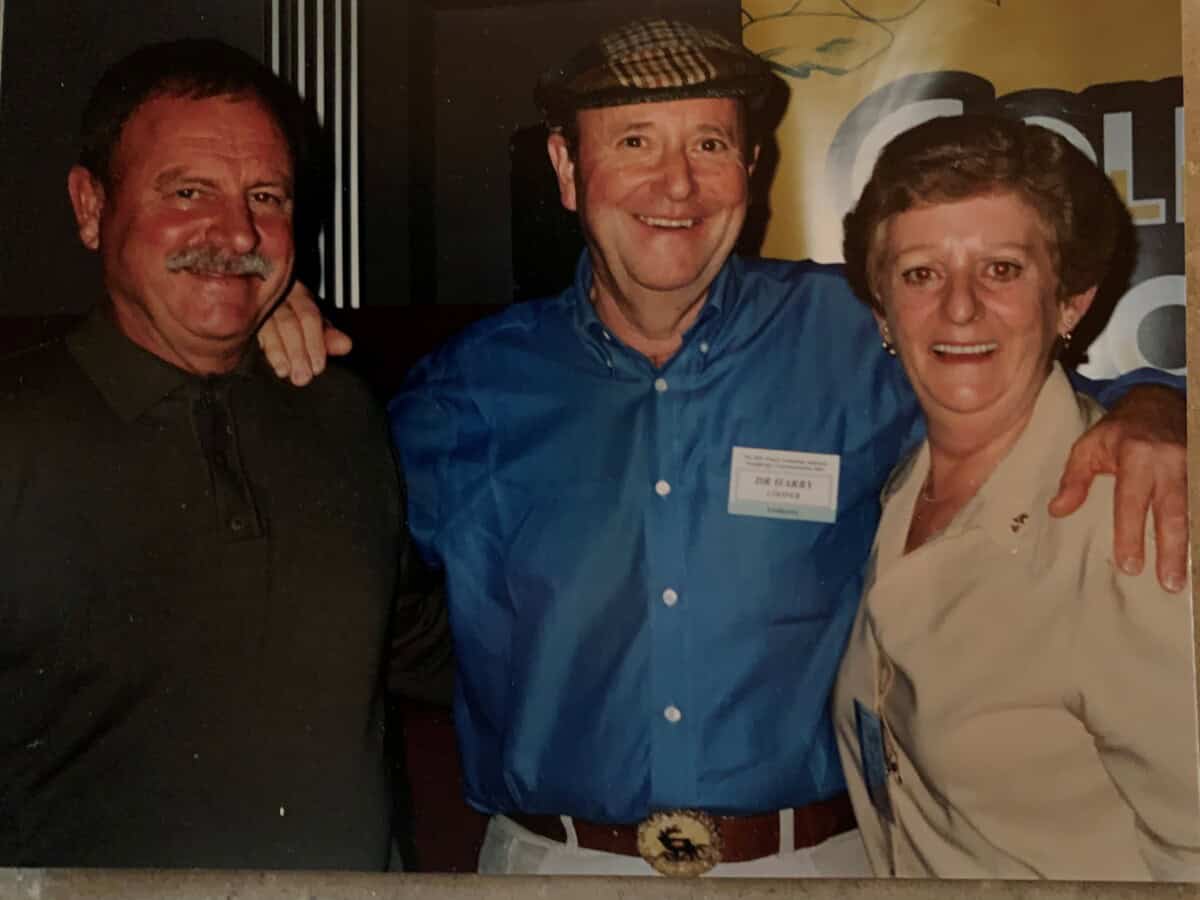
During those early years I met several experienced breeders who were always willing to share their knowledge. Alan Rowe had a particularly strong influence on me. Alan became my mentor and, over time, also became a great friend and travelling companion to many National Championships and judging companion at several club championship shows, as well as accompanying me when we judged the New Zealand National Show in 2005.
Not long after joining the United Club I became involved with the committee to help with the running of the club. Committee work wasn’t new to me, as I had previously been a member of the Greensborough Lions Club and had served on its committee for most of my time there.
In 1994 I was elected to the Budgerigar Council of Victoria. After serving a short period as a councillor, I became Vice-President for nine years before succeeding Leigh Downey as President, a position I held for a further ten years, finally stepping down from Council in 2019 after twenty-five years of service.
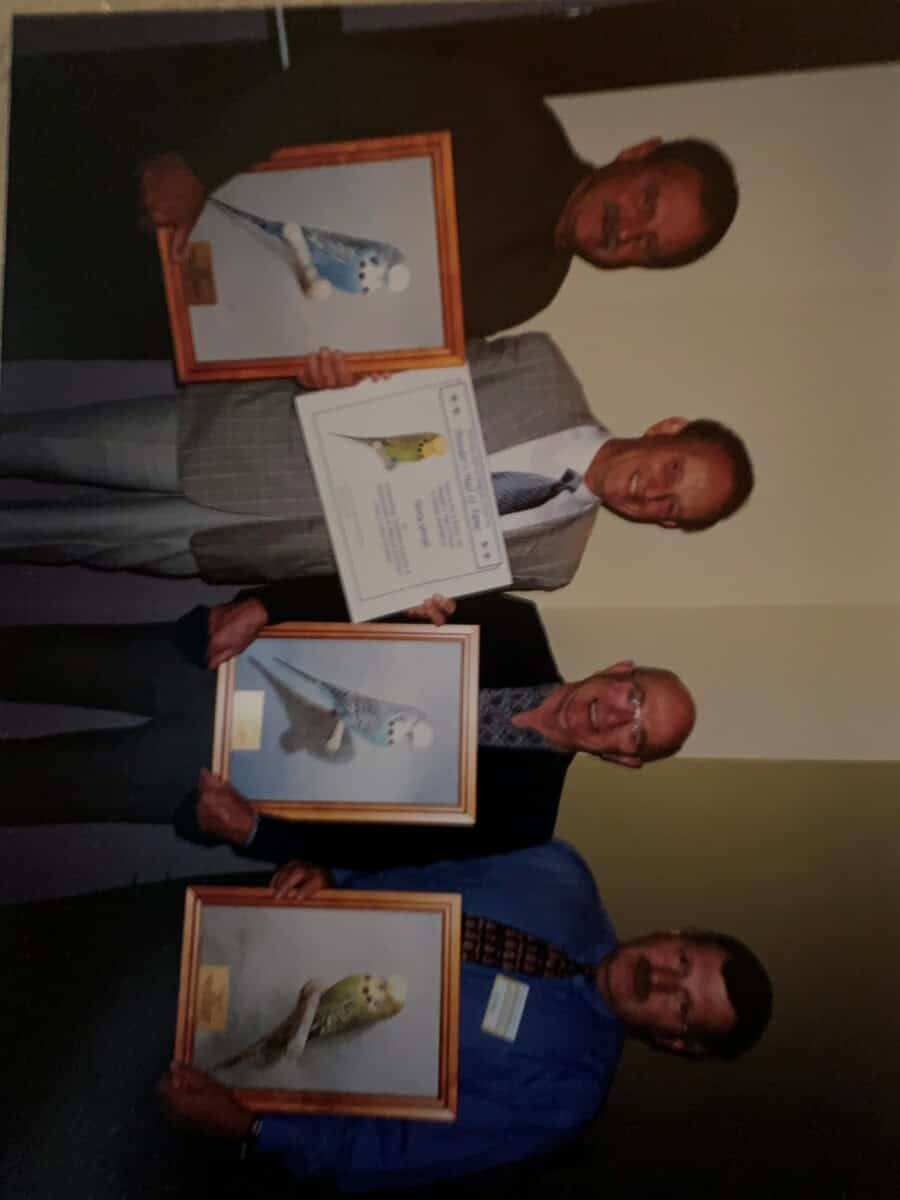
In 1993 I became an aspiring judge and later progressed to the Senior Judging Panel. In 1999 I successfully passed the National Judges Examination to become an ANBC National Judge. Since then I have had the privilege of judging at National Championships in Coffs Harbour and Brisbane, experiences that I regard as among the highlights of my judging career.
I also served on Victoria’s Judges and Standards Committee for more than twenty years and remain on the Senior Judging Panel today. On several occasions I have also been a Team Carer, first serving in that role in 1998.
Throughout the years I have bred several varieties, including Normals, Opalines, Spangles, Australian Goldenface and Greywings. In recent years I have become particularly fond of Australian Goldenface, especially the Double Factor Violet variety. Greywings, however, have always been close to my heart, and I have been fortunate enough to win two National titles with that variety.
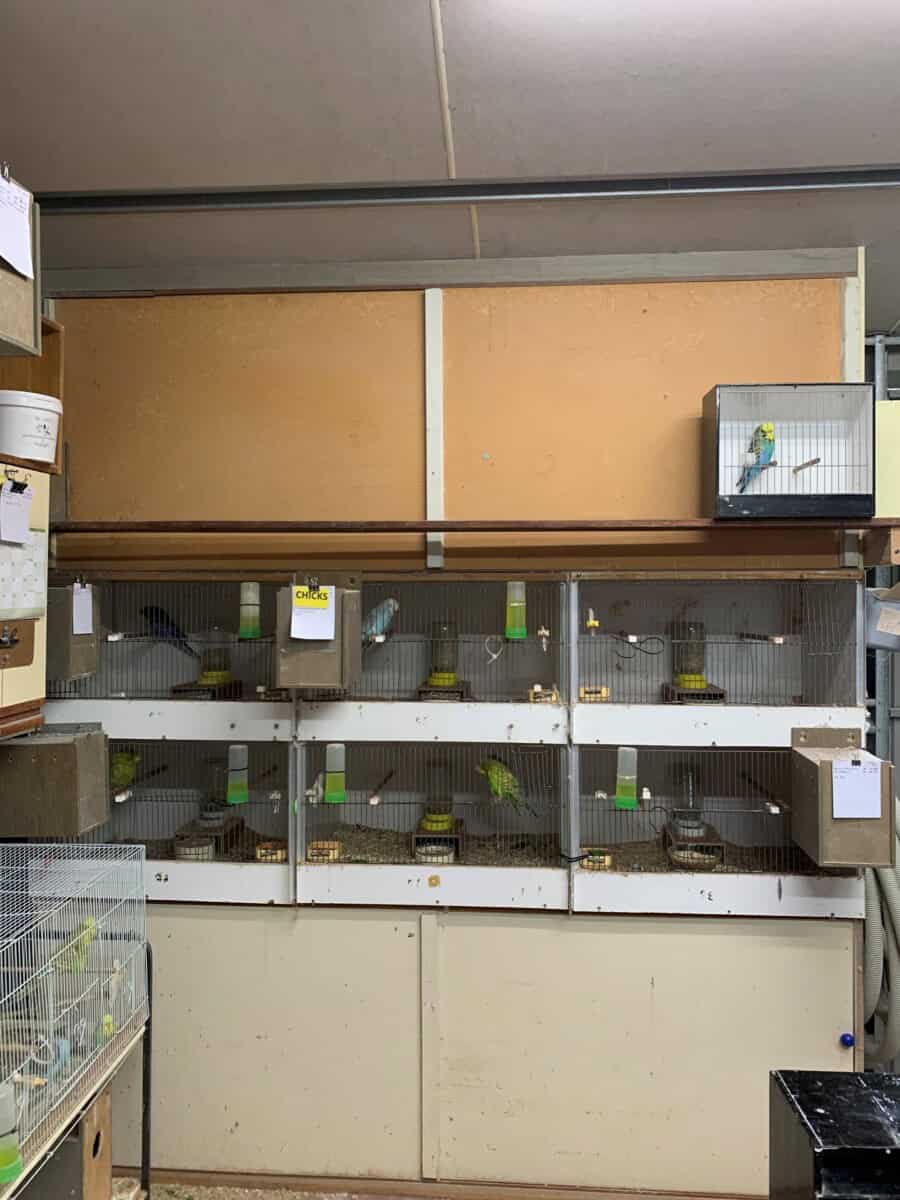
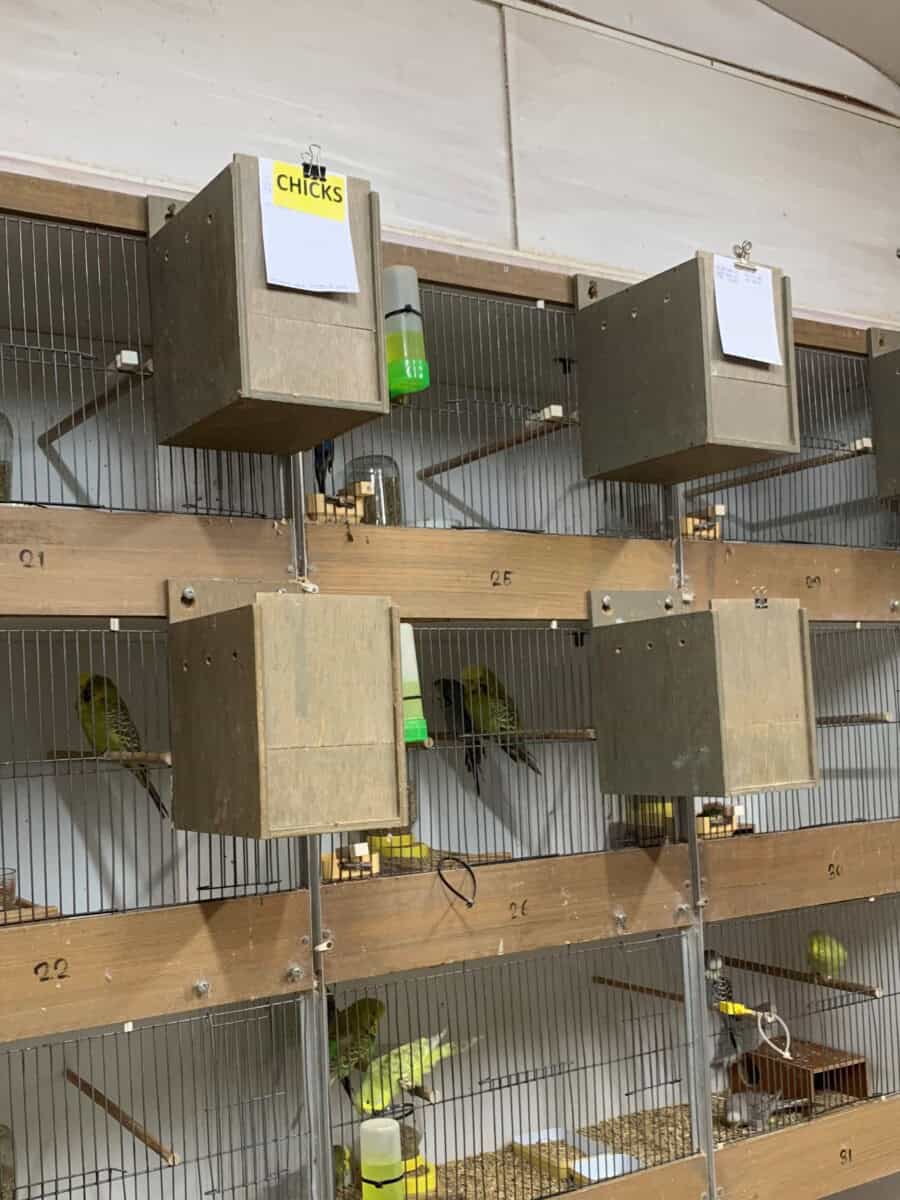
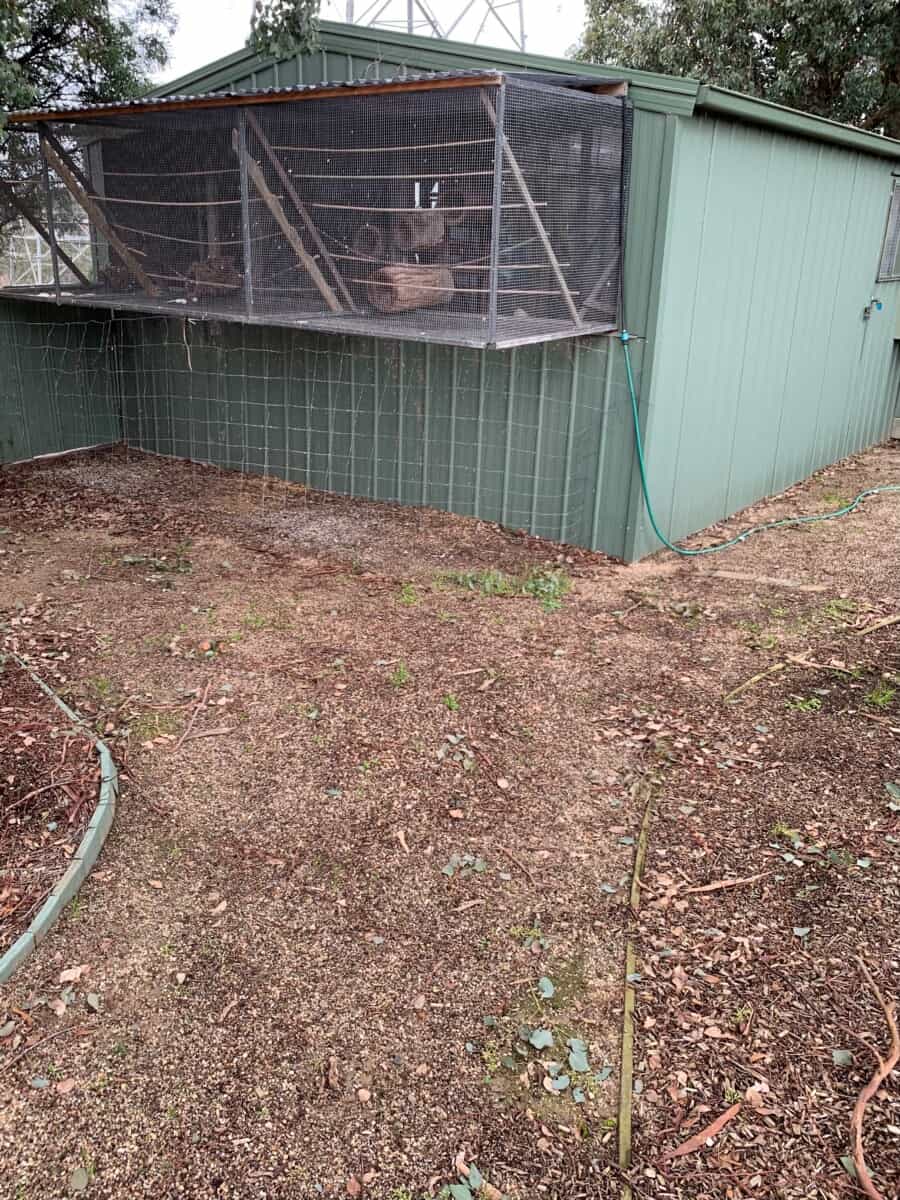
My breeding setup today consists of a Colourbond structure with a breeding room measuring approximately 7.2 metres by 4.8 metres, housing thirty-eight breeding cabinets. Adjoining the breeding room are three flights that allow the birds access to fresh air and sunshine. The aviary is fitted with automatic lighting, operating from around 7.00 am to 9.00 am and again from 4.00 pm until 10.00 pm during the breeding season. More recently, I have covered the outside flights with Laserlite roofing because of the threat of bird flu.
While I once kept considerably more birds, I now prefer maintaining a smaller stud of around the mid-twenties in breeding pairs. I find this allows me to devote more time and attention to each pair.
Good husbandry has always been the key to maintaining healthy birds. I feed a quality seed mix together with my own blend of red panicum, jap millet, hulled oats and grey sunflower seed. Fresh greens are offered daily to breeding pairs, usually silver beet or celery, while birds in the flights receive greens approximately twice a week. I occasionally give flight birds chicken carcasses, which I believe help prevent scaly face. I also feed soaked feed oats to breeding pairs each day. Shell grit, cuttlefish, Bi-Cal and pink mineral powder are always available in both breeding cabinets and flights. Soluvite D is added to the drinking water during the breeding season, in particular, with iodine once each week. I keep the aviary floor free of wet seed as an important part of my management routine. I try to keep the routine as simple as possible.
When I come across a sick bird, I immediately isolate it for treatment, usually in a hospital cage with antibiotics and warmth. If the bird fails to respond after a couple of days, I have found there is unfortunately very little more that can be done. I treat birds with Turbosole canker medication as a preventative measure. Recently, I have noticed more hens showing signs of calcium deficiency, so I now add liquid calcium to their water every few weeks.
One of the pleasures I have gained from this hobby has been helping newcomers. My advice has always been not to spend large amounts of money on expensive birds before first learning how to breed and manage them properly. Start with good numbers of affordable birds, improve your knowledge, and gradually upgrade your stud. Most club members are only too willing to share their knowledge and help new breeders along the way.
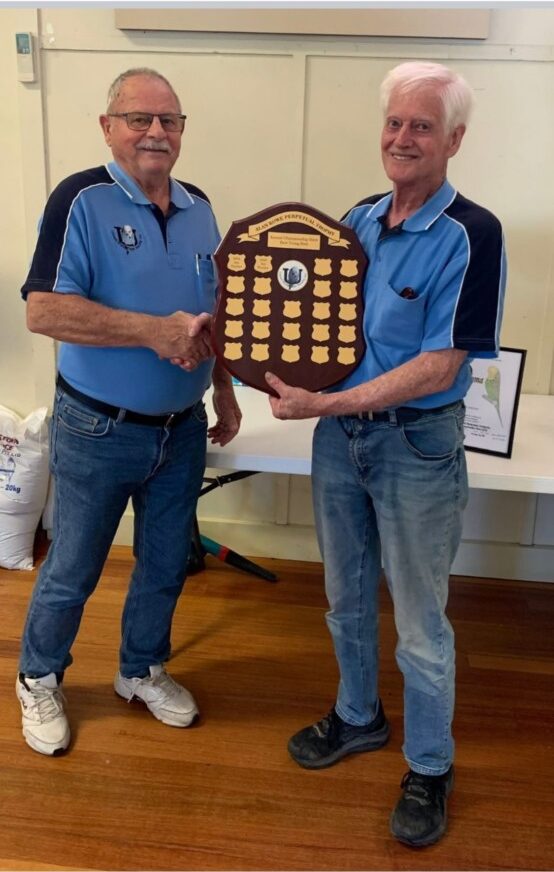
Looking back, this journey has been a rewarding one, even though there have certainly been challenges along the way. Breeding budgerigars isn’t always easy, and there are times when our patience is tested, but the good times and the friendships made through the hobby far outweigh the disappointments. During my time in the fancy, I have been awarded Life Memberships in both the United Budgerigar Society and the Budgerigar Council of Victoria. I am humbled and extremely proud of this recognition.
Finally, I would like to acknowledge the support of my family. They have always understood the time and commitment that this hobby demands, and I will always be grateful for their encouragement. Throughout my involvement in the budgerigar fancy, I have always believed that family comes first, as I know many other breeders do.
Reflecting over the almost fifty years in the hobby, I feel extremely fortunate. Budgerigars have given me lifelong friendships, wonderful experiences and memories that I will always treasure, and if I had my time over again, I would happily do it all again.