Australian National Budgerigar Council


Phillip Bosci 2026
From a childhood encounter with a blue budgerigar to becoming a Novice National Champion, this month’s Fancier in Focus explores a lifelong passion for budgerigars, Australian Golden Faced and the fascinating Dutch Frosted Pied.
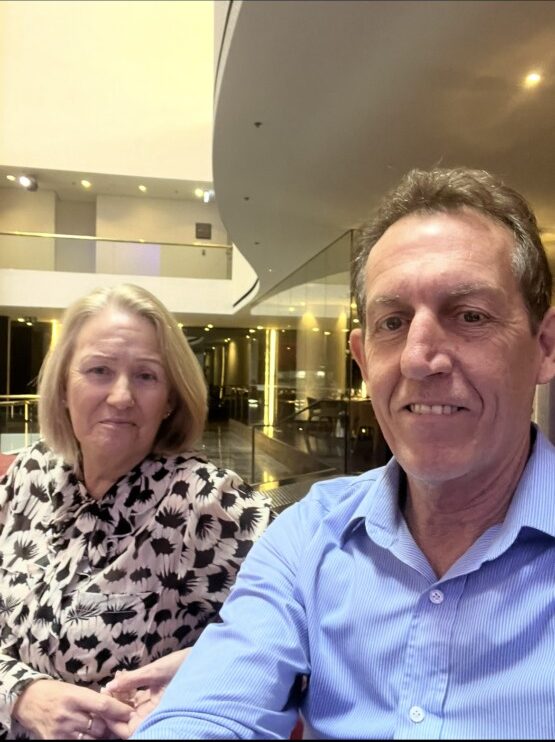
My Interest
I was only young when my father caught a blue budgerigar that had flown into a closed window around the side of our house. This was to be my first bird. Unfortunately for my family, that was me – hook, line and sinker.
Later, I moved to Queensland and my life was full of work and family commitments. Whilst driving back and forward to work, I would pass a property that had many aviaries. One Saturday, I went over there to introduce myself.
The man’s name was Graham Banks and his wife Karren. I knew most of the types of birds they kept, although I was in awe of seeing them all in one place. The budgerigars and their quality were amazing.
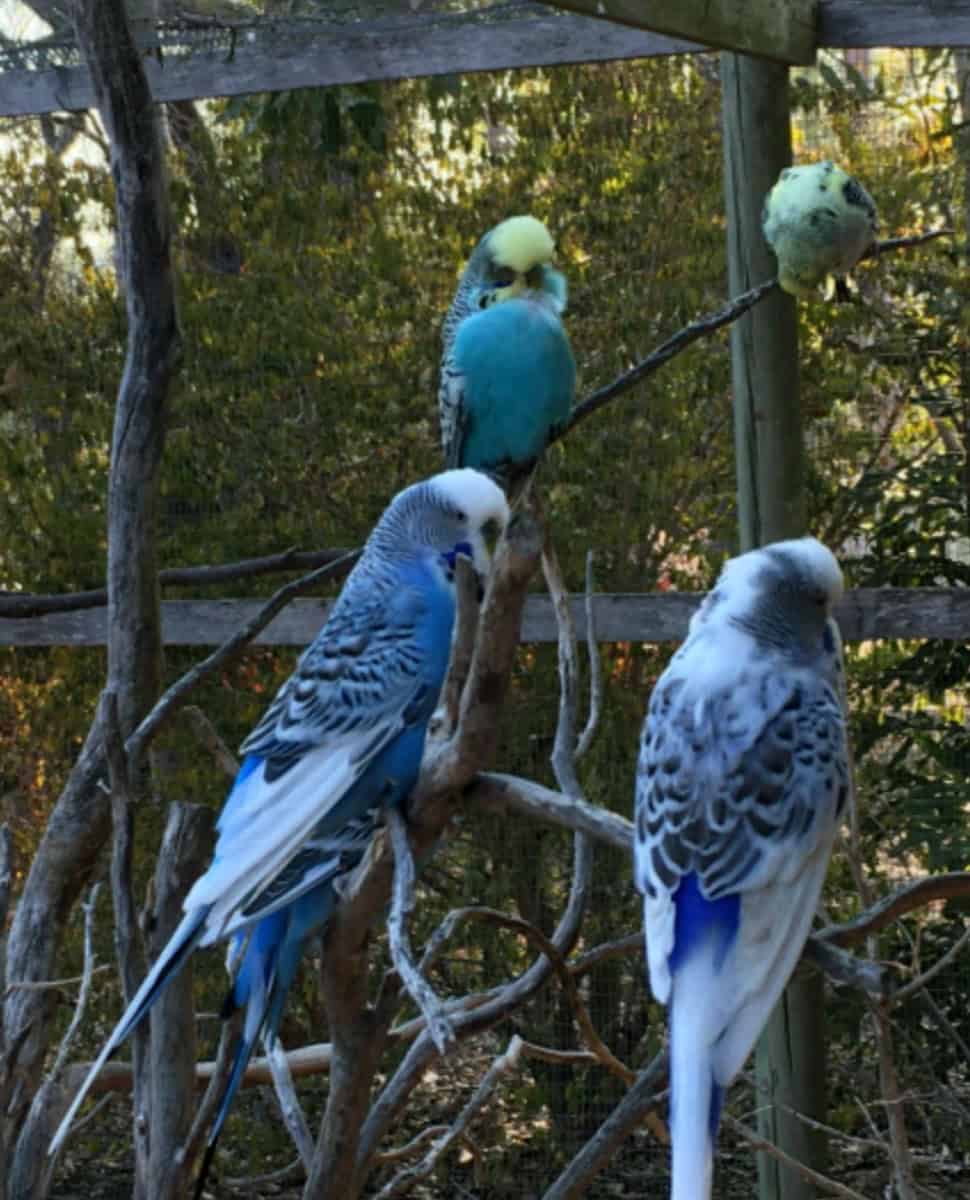
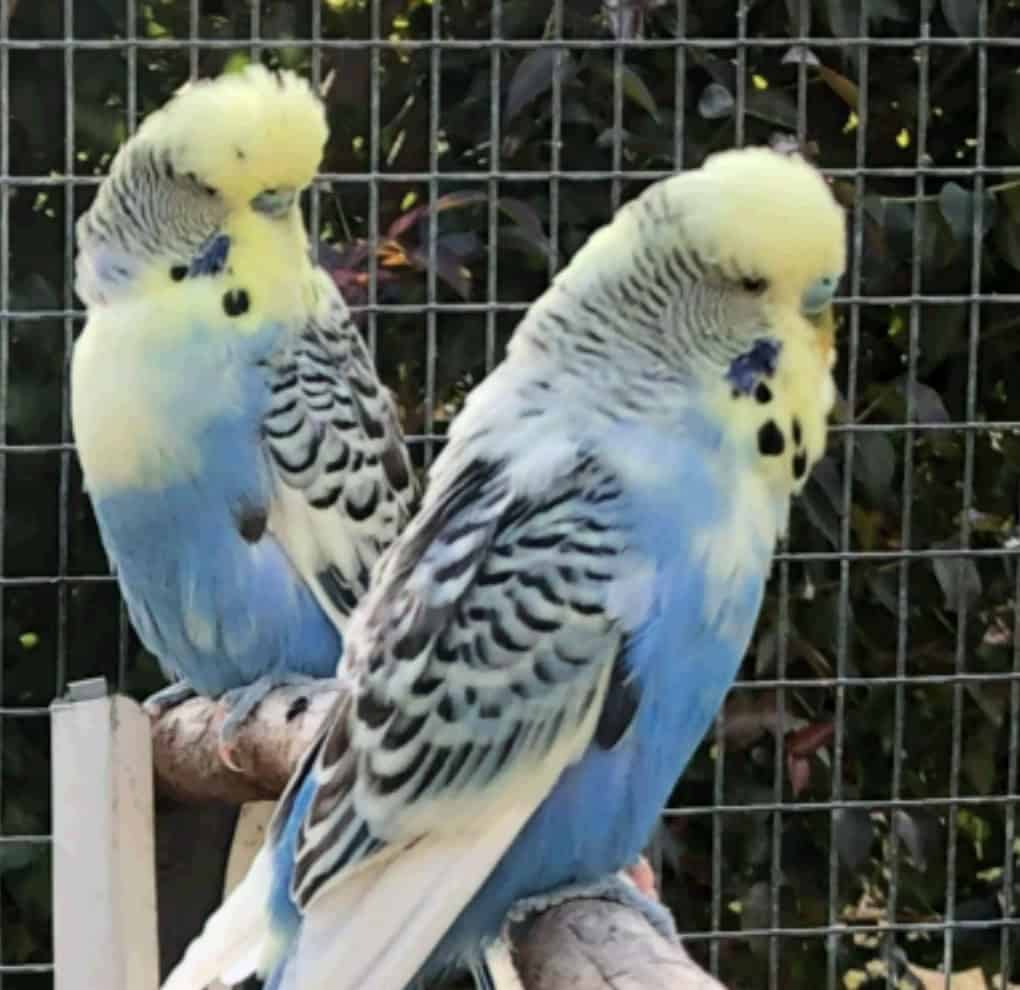
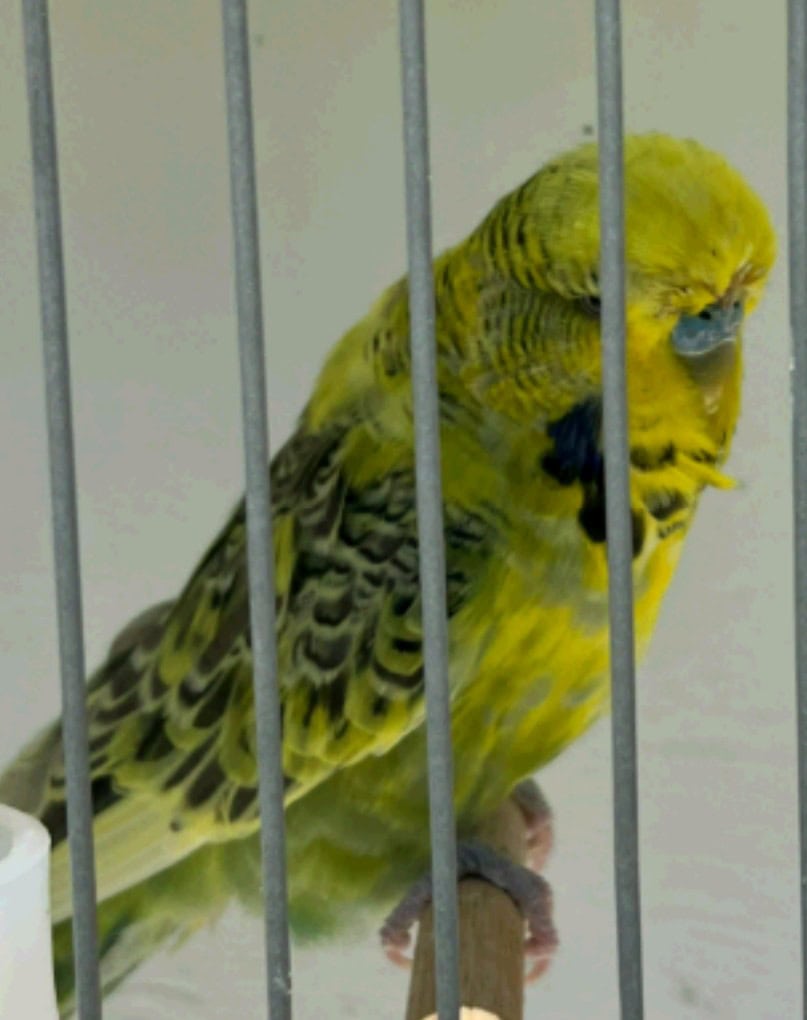
After discussions with Graham, I decided to concentrate on one variety. The Australian Golden Faced was the one.
My First Rare
This was a bird I purchased in a Gladstone pet shop. I did not recognise the variety; I only knew it was a Pied of some sort. After purchasing this bird, I drove home and dropped into Graham’s place to show him.
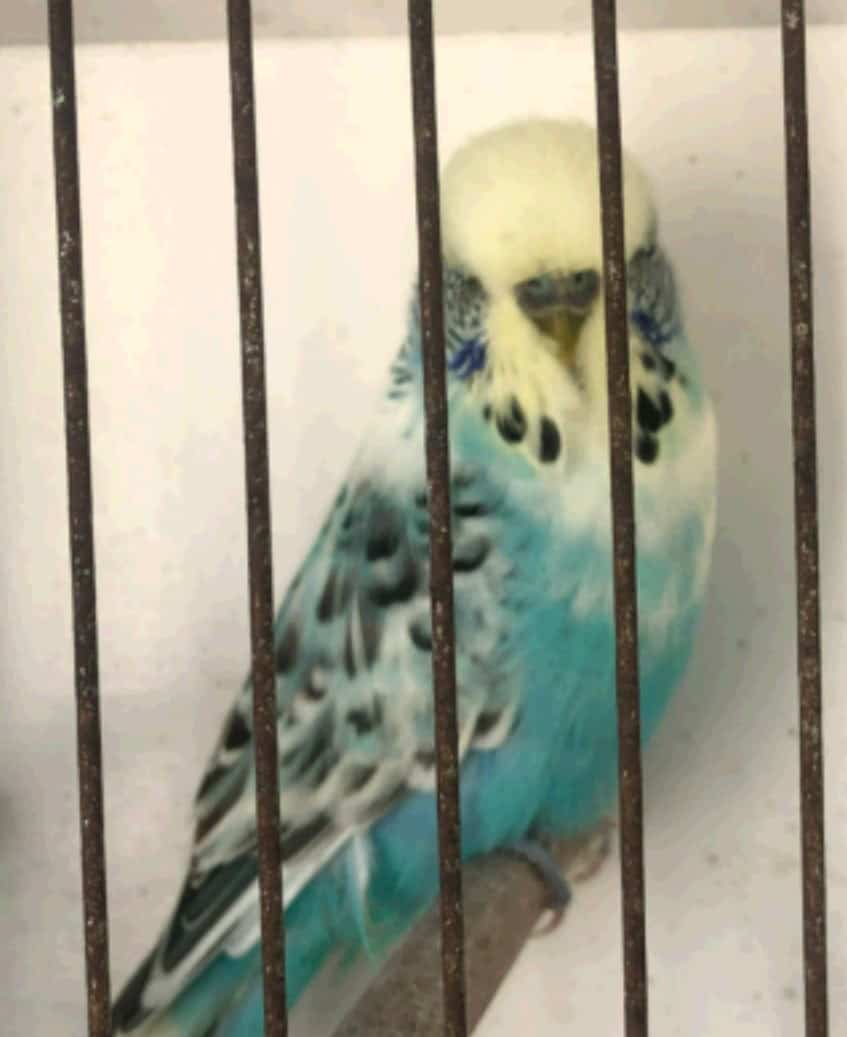
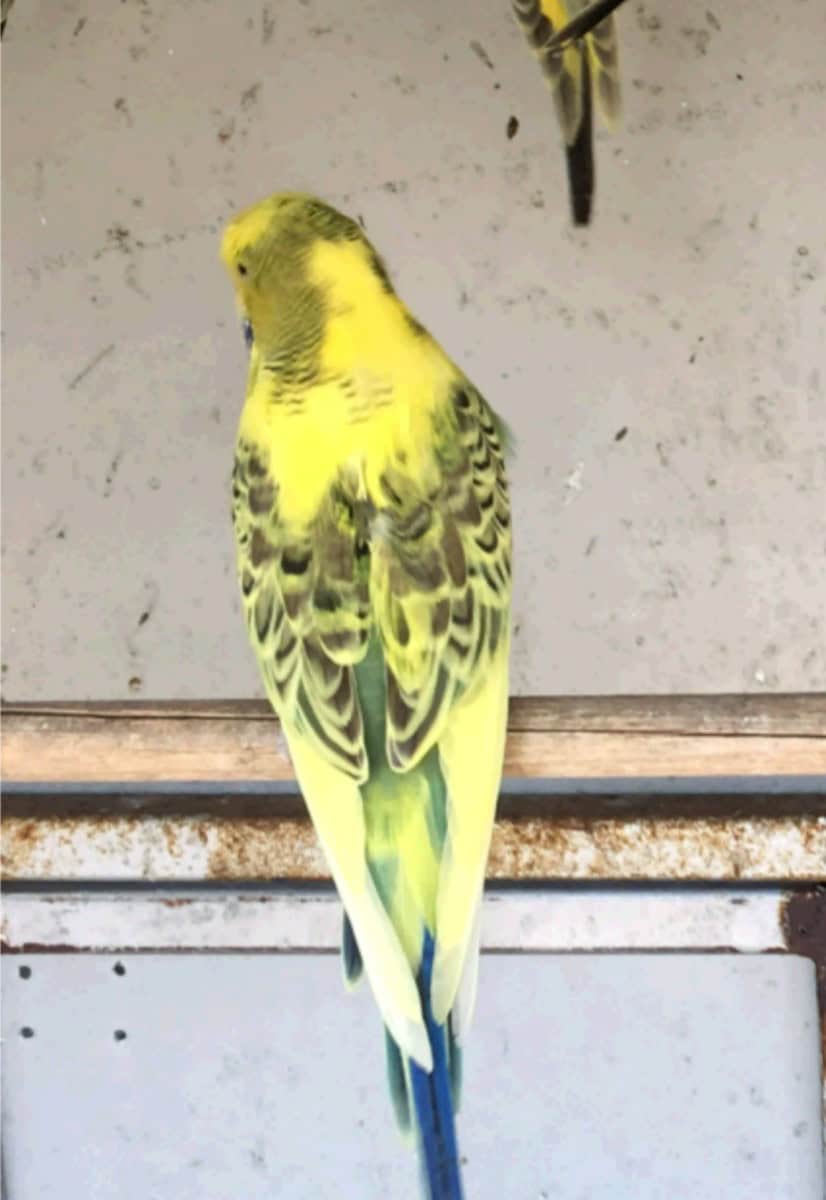
At first glance, Graham informed me it was a Frosted Pied and that it was rare. I then made the decision to concentrate on this variety.
The first thing Graham suggested was to breed him up and get as many young as I could from him. It would be very difficult, if not impossible, to replace him. I searched around and could not find anyone else who knew or had heard of these birds, let alone had any.
Within four to five years, I had plenty of these rare birds flying around. It was time to try and start improving the variety, although not to lose the frosting colouration.
What Are Frosted Pieds?
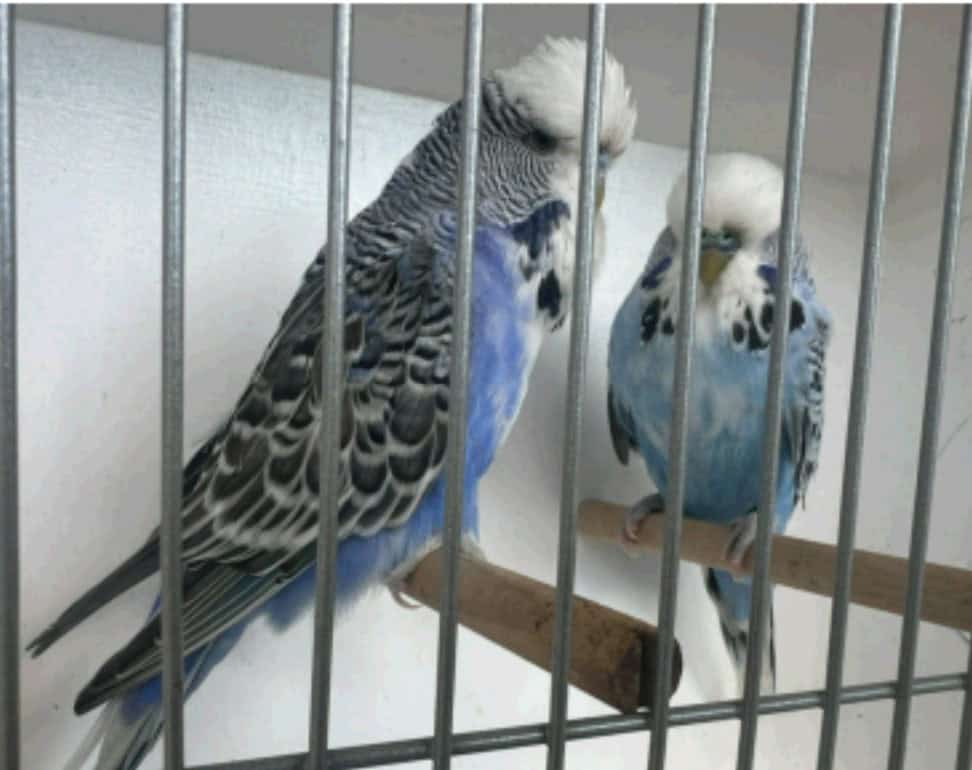
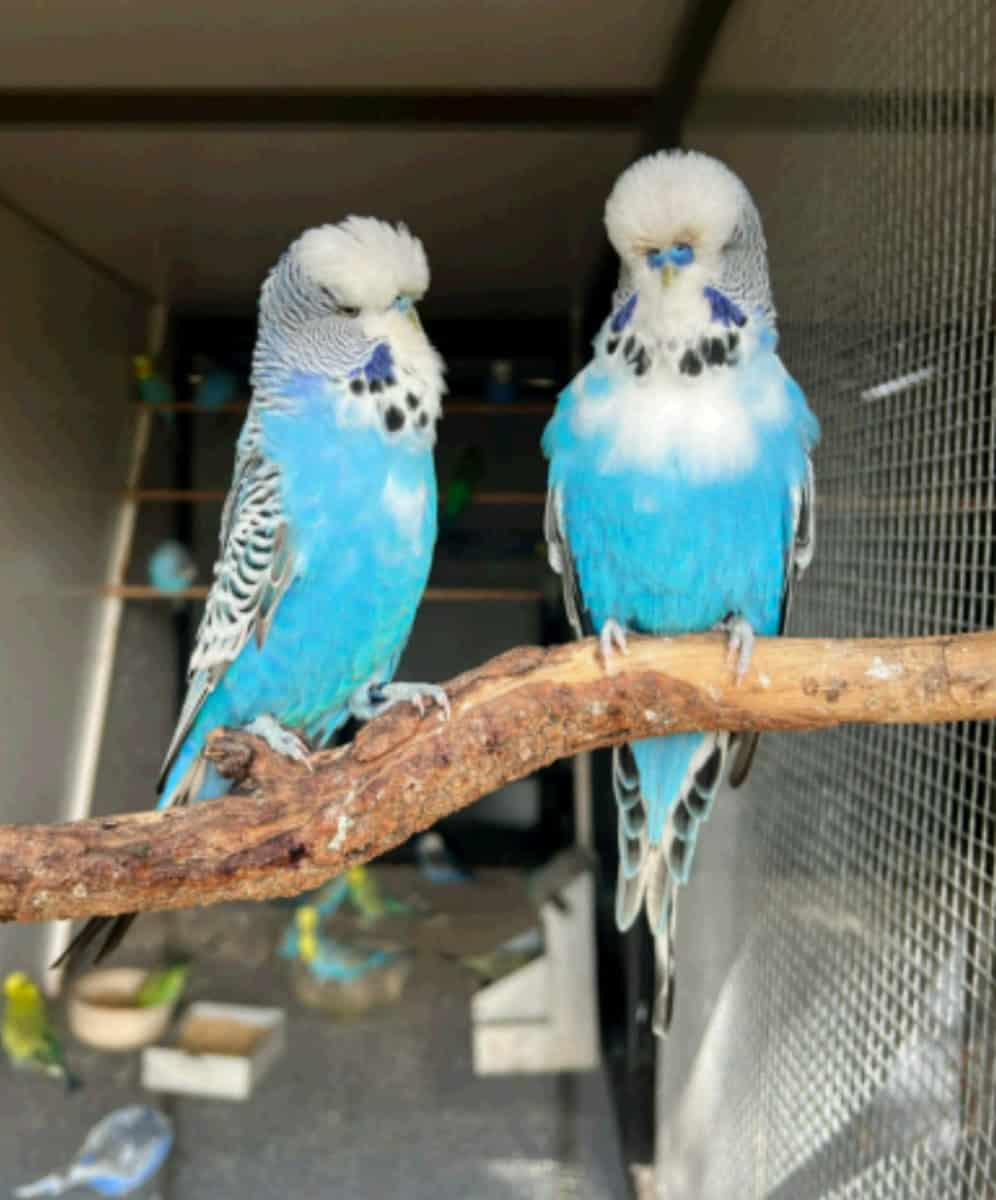
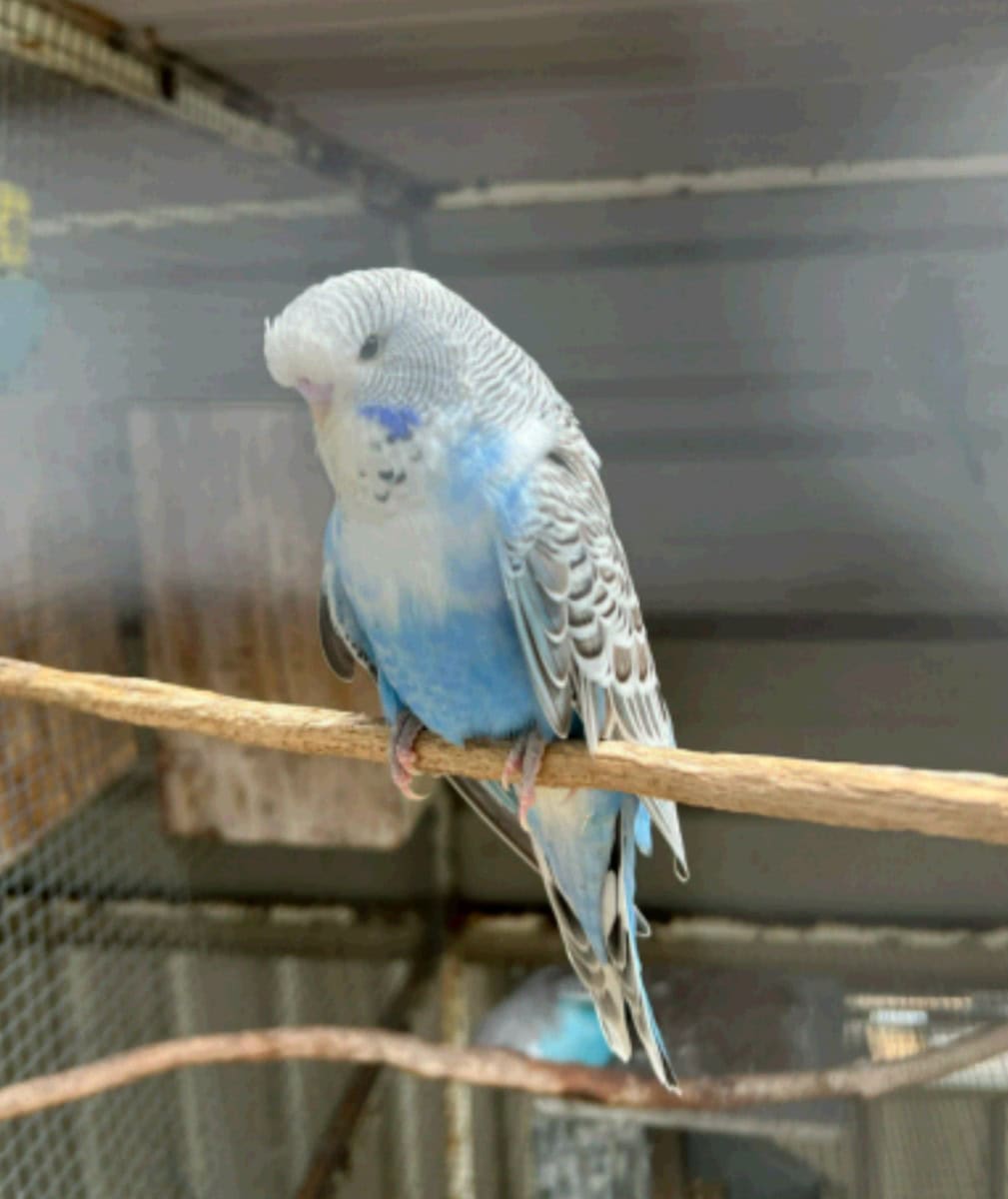
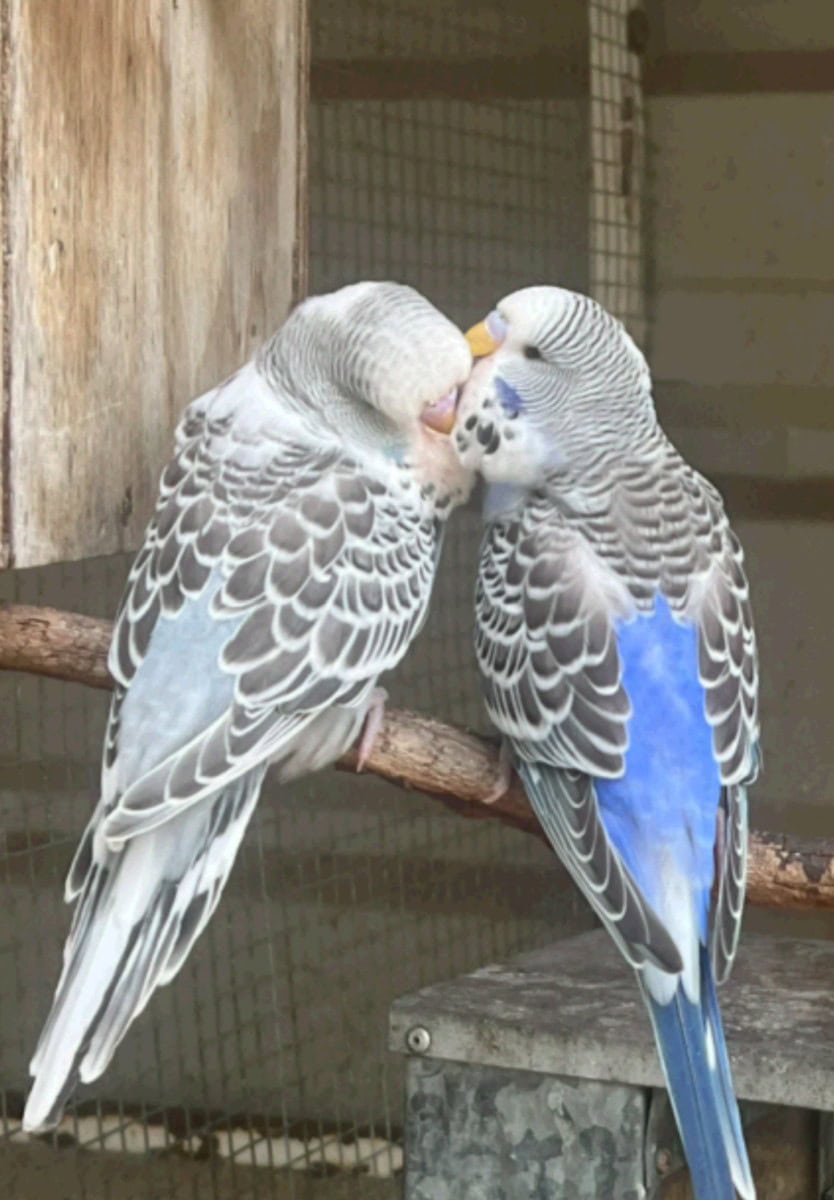
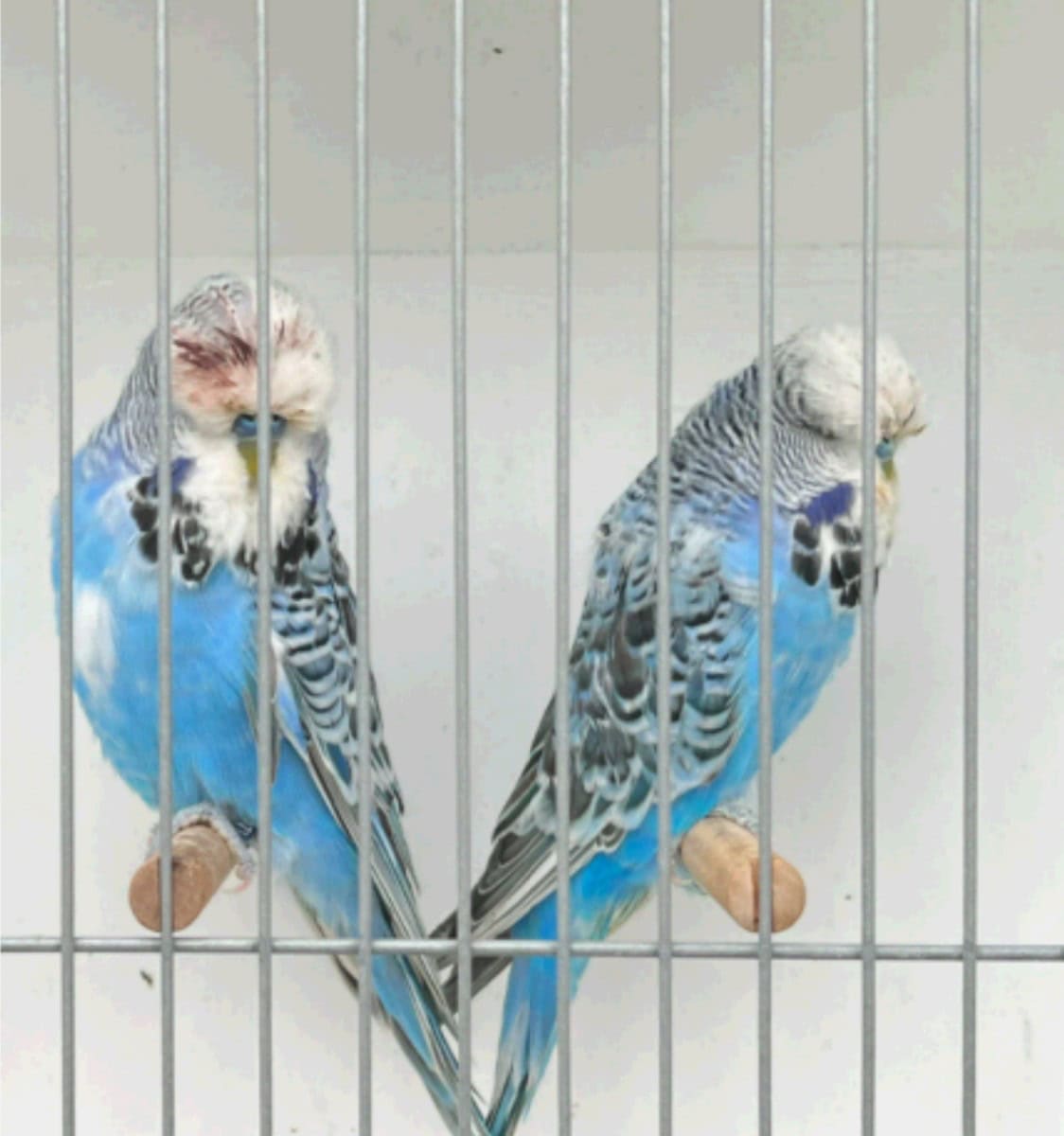
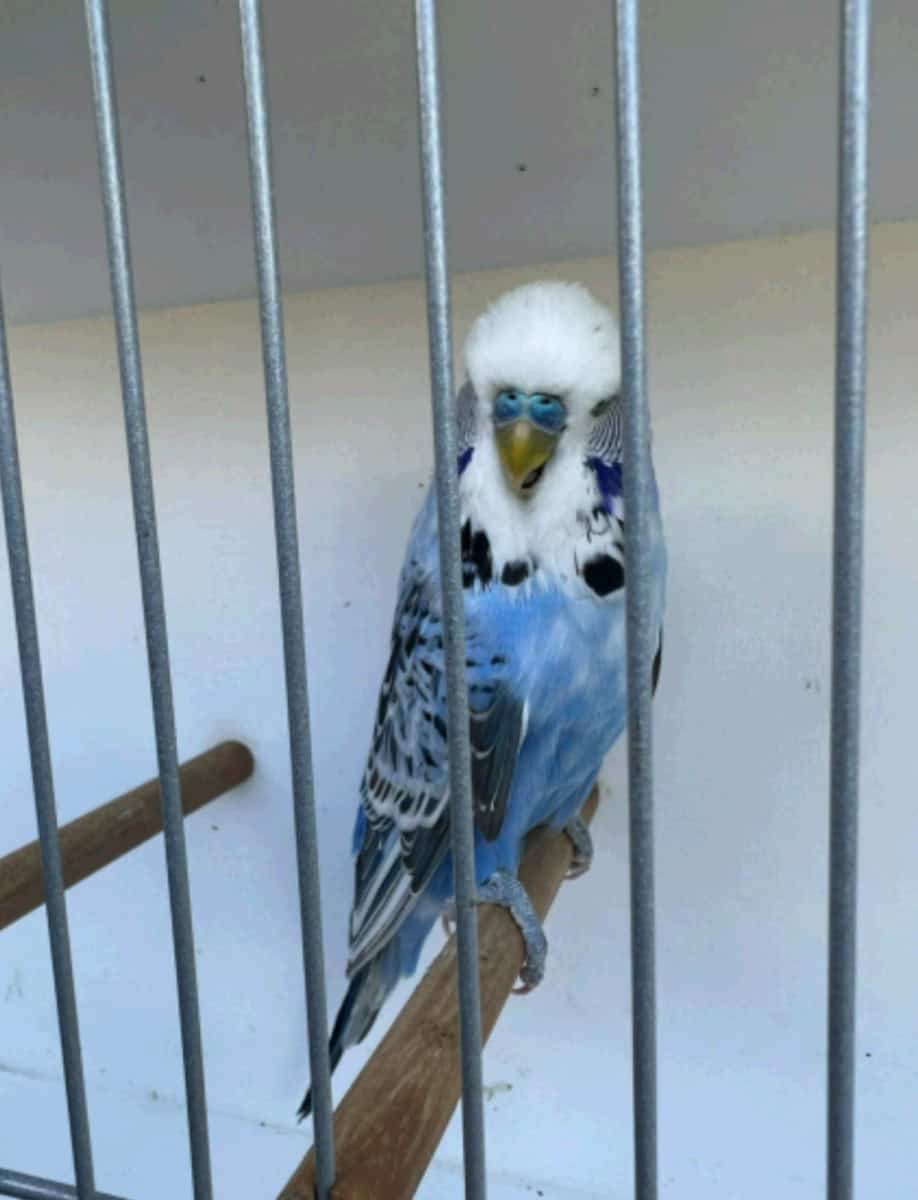
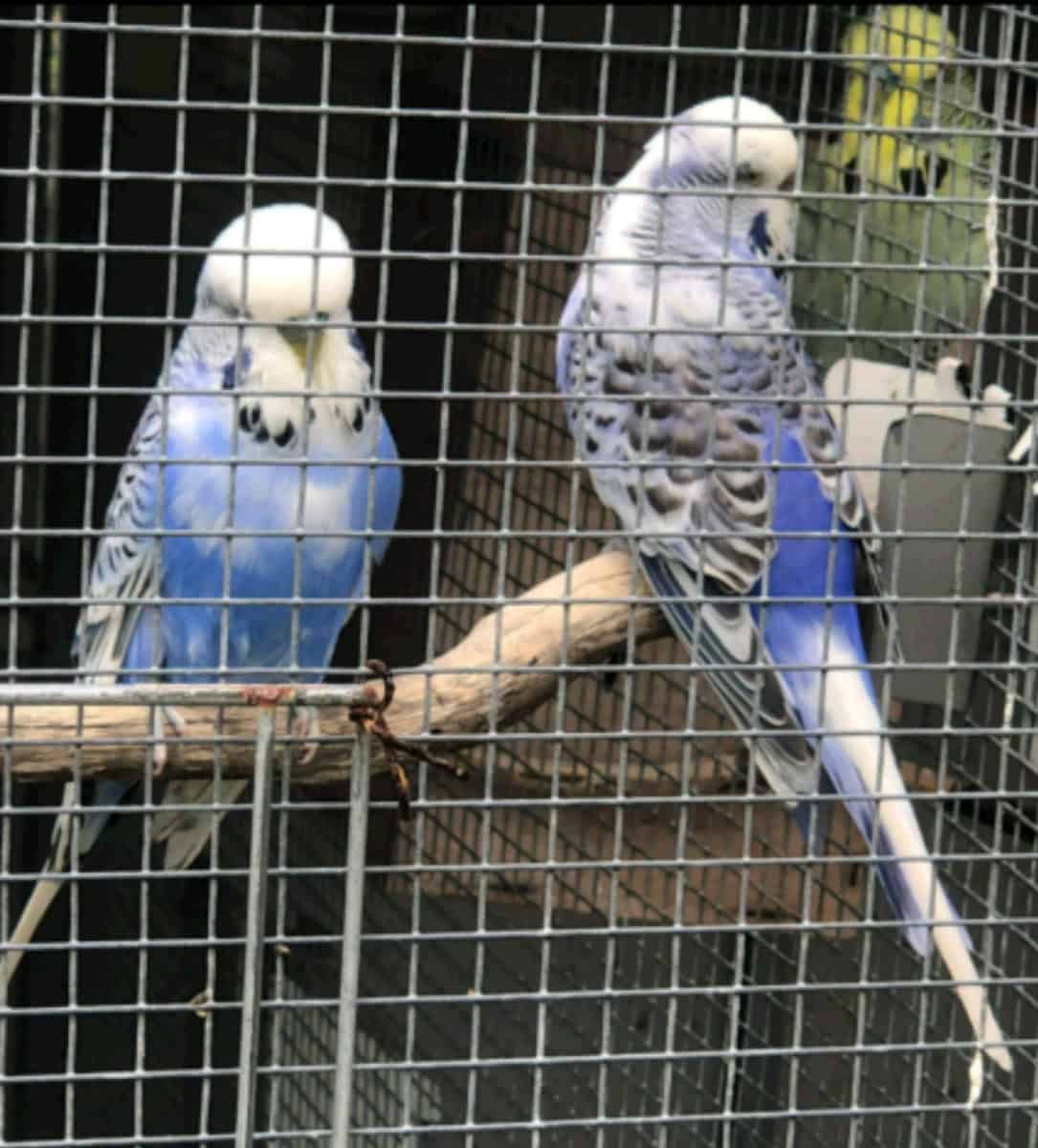
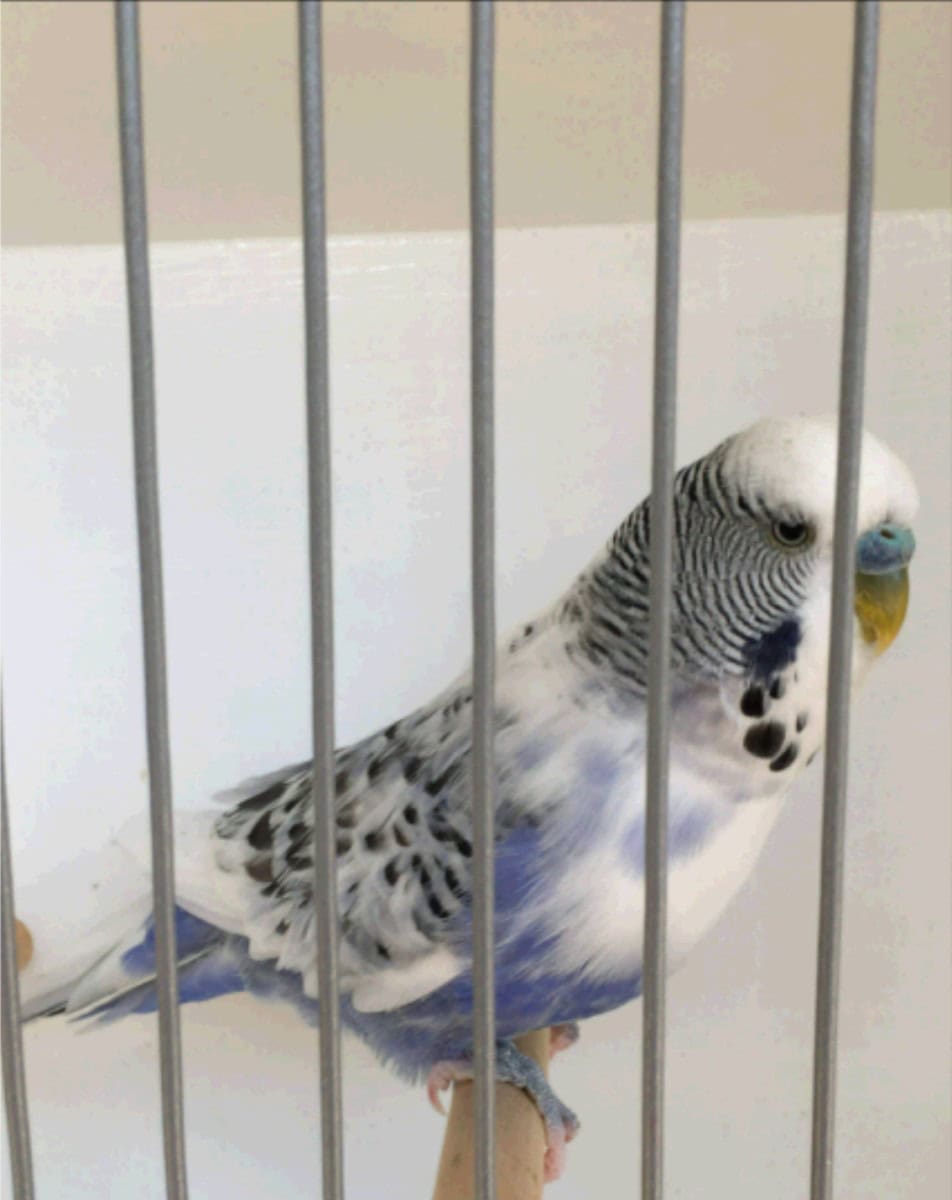
They are a dominant breed. I believe they are a variant of the Dutch and Clearflight Pieds, so for me they are a Dutch Frosted Pied. These are my thoughts only.
I could definitely be wrong on this assumption, as I am no avian geneticist.
Through years of breeding with this variety, I can only comment on what I have bred myself. It does appear that the more frosting the bird carries, the harder they are to improve in size. This is why I had only kept a few that were heavily frosted over the later years. That was my big mistake.
The variance in colour from breeding this variety is what I love.
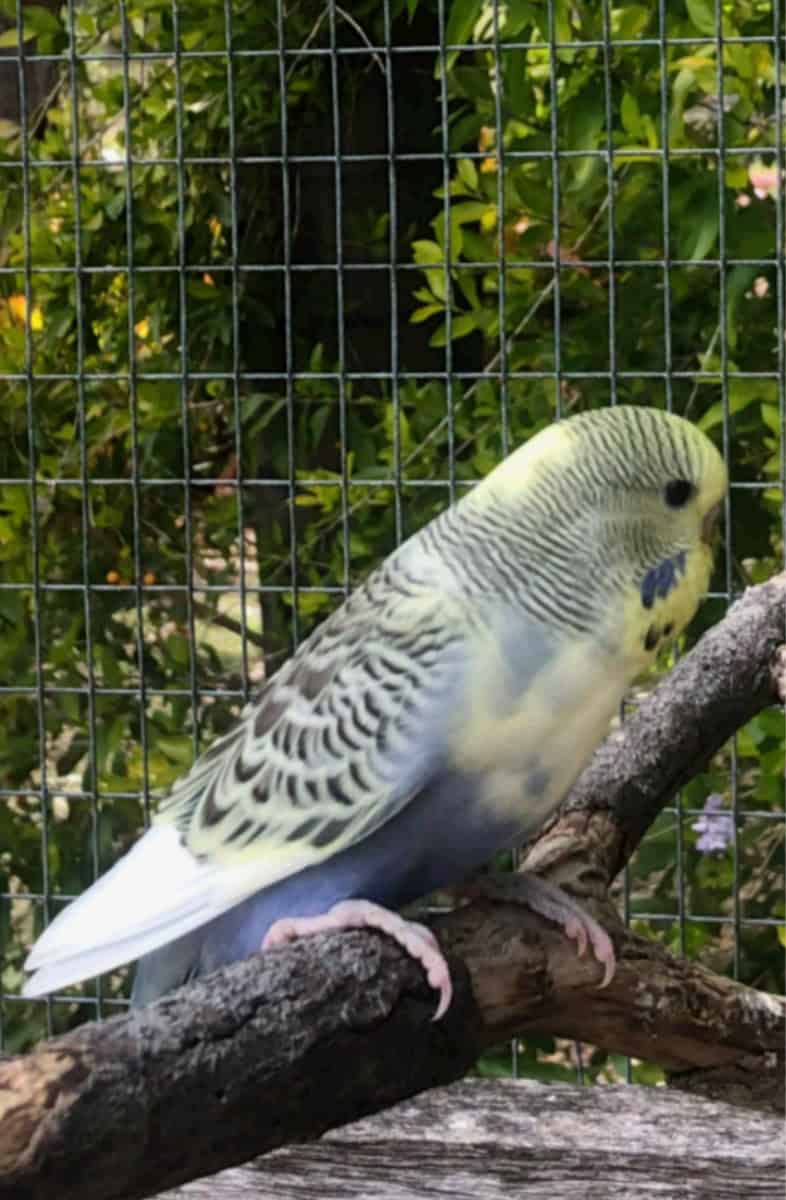
I have had young birds with very little markings and you could take them for a Normal. These Pieds generally have a head spot, from a few feathers to the size of a thumbnail. Some young I have bred have had only a spot on the end of the main tail quill, which was white in the Blue series and yellow in Green series birds.
Other young were like a typical Normal Dutch Pied. Then, on odd occasions, some of the young came out as Normals until after their first moult, when the frosting would start to appear and become more prominent after each subsequent moult.
The hens are usually less marked than the cock birds, although the young from these hens can be well marked.
A lot of people I spoke to in 2018/2019, and also when I showed these birds, had never seen or heard of them before. Some people passed them off as combination birds.
I believe when a breeder breeds for him or herself and sees the slightest and varied differences in the young in the nests, as well as after moulting in their own aviaries, that is when they will really appreciate this variety.
My Setup
It is quite simple.
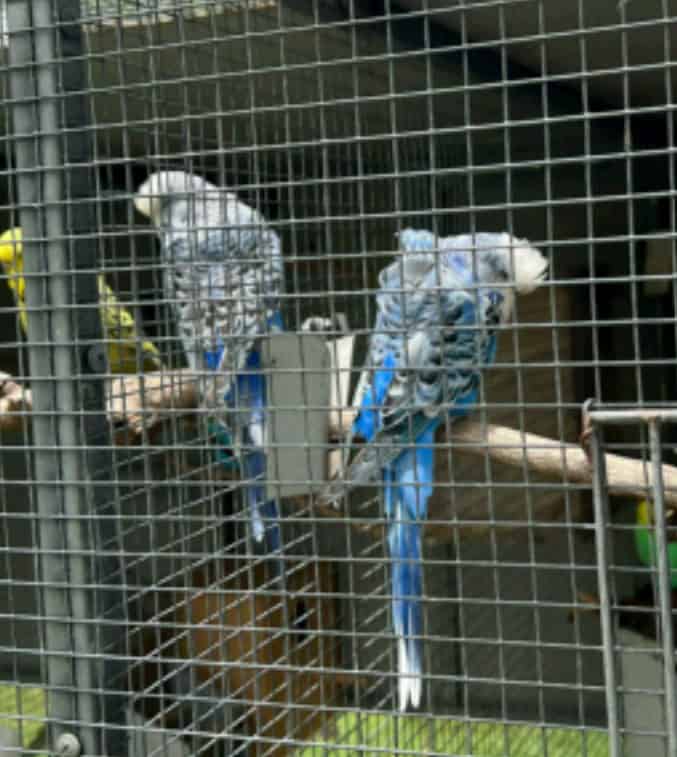
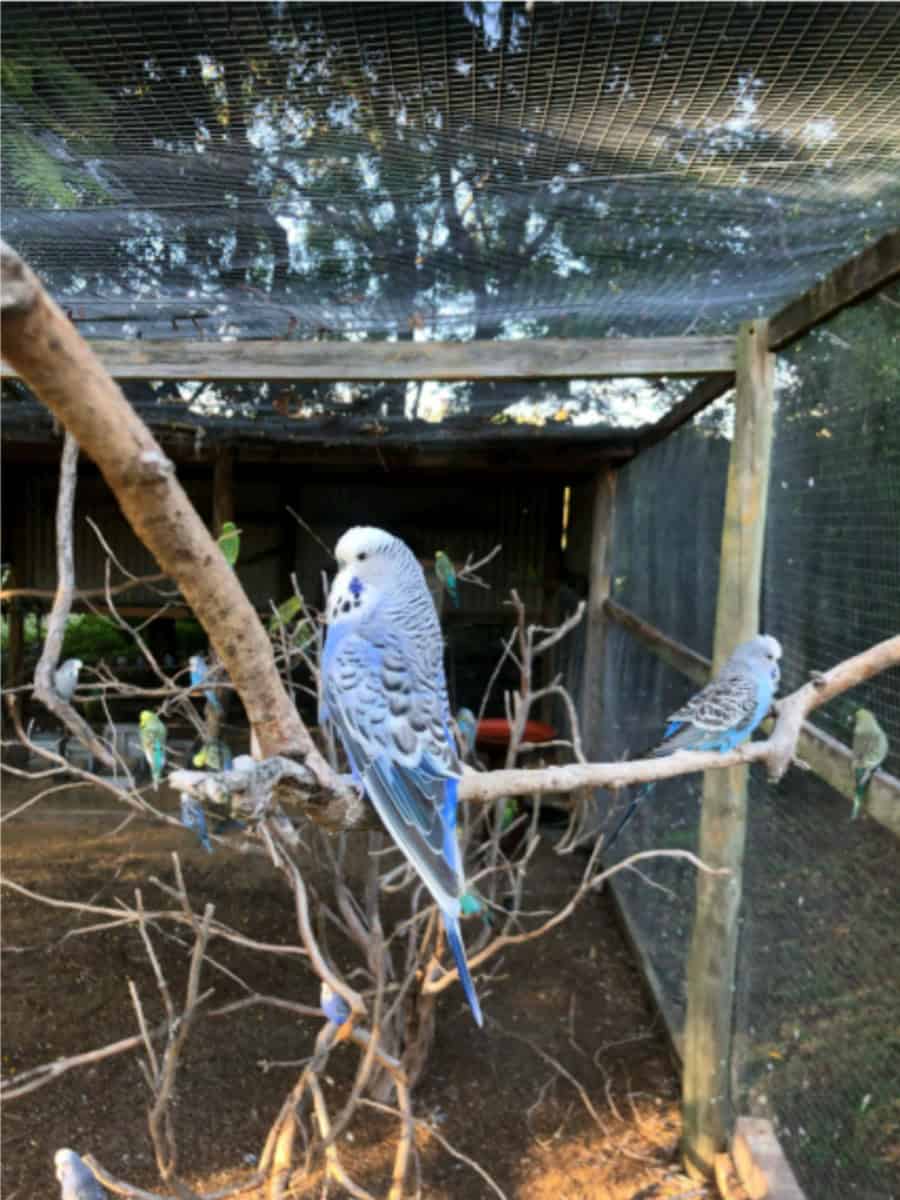
I have one large open aviary, nine metres by four metres, that I use to hold some older birds and also my young birds once they have fledged. It helps to build the young birds up and strengthens them as they mature. I sort them out after three to six months, sometimes 12 months.
I have one small three-metre Absco aviary. This holds nine wire breeding cages, and there are another two three-metre cages.
My Status
I am a Novice and represent the Bundaberg Budgerigar Club.
The Bundaberg Club is a very friendly and supportive club and it is always good to catch up, have a chat and a laugh.
I support other clubs by being a member of the Bundaberg & Caged Bird Club and the Capricorn Budgerigar Club.
My Recommendations to Breeders
My recommendation for those wanting to get ahead is not to blend too many bloodlines until you have a secure line first.
Look at what your line is lacking, then concentrate on purchasing birds that will improve this – depth of mask, shoulder, wing carriage or whatever it may be.
Improvement does not come overnight, and it may be the second generation before you start seeing improvements and/or faults from an introduced bird.
My Show Career and National Results
I started showing my birds in 2012 at local shows.
My National Australian Golden Faced positions over the years have been:
- 2022 – 5th
- 2023 – 3rd and 7th
- 2024 – 9th
- 2025 – 10th
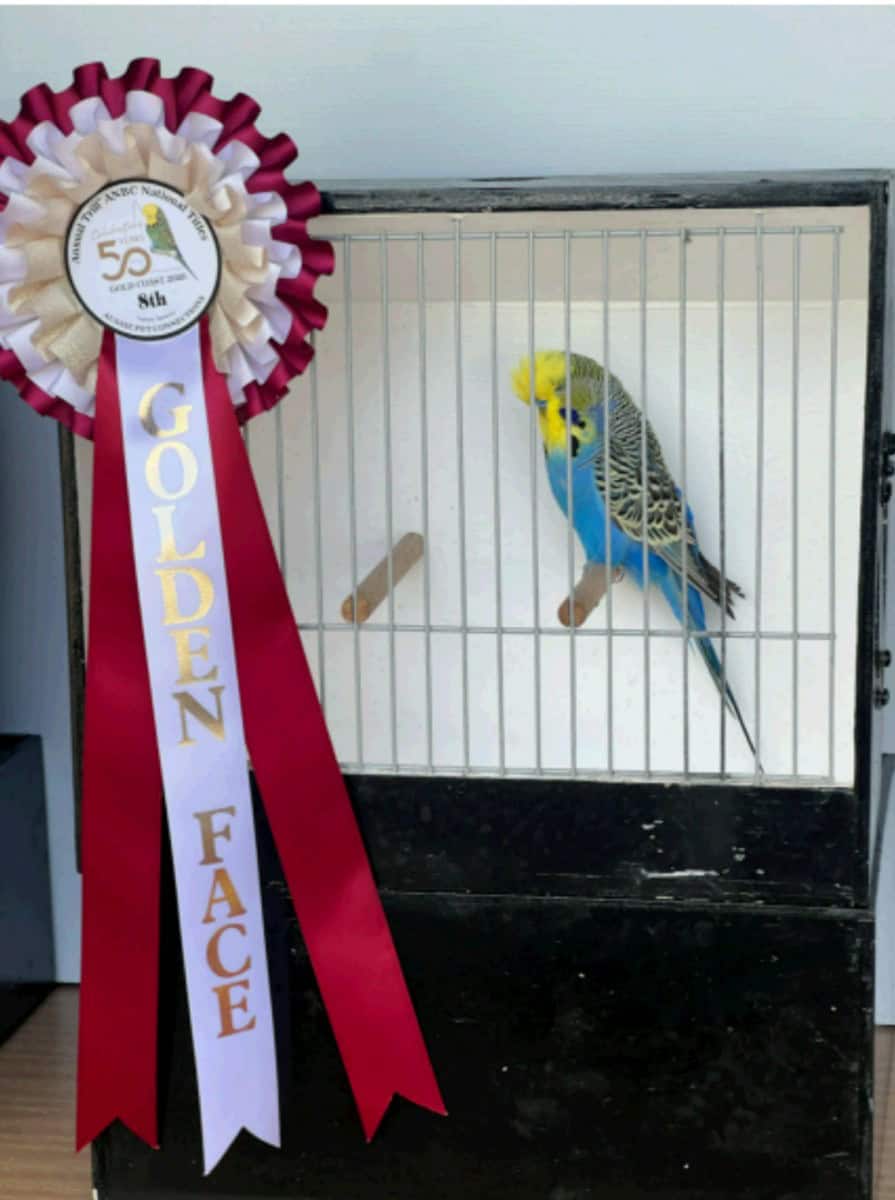
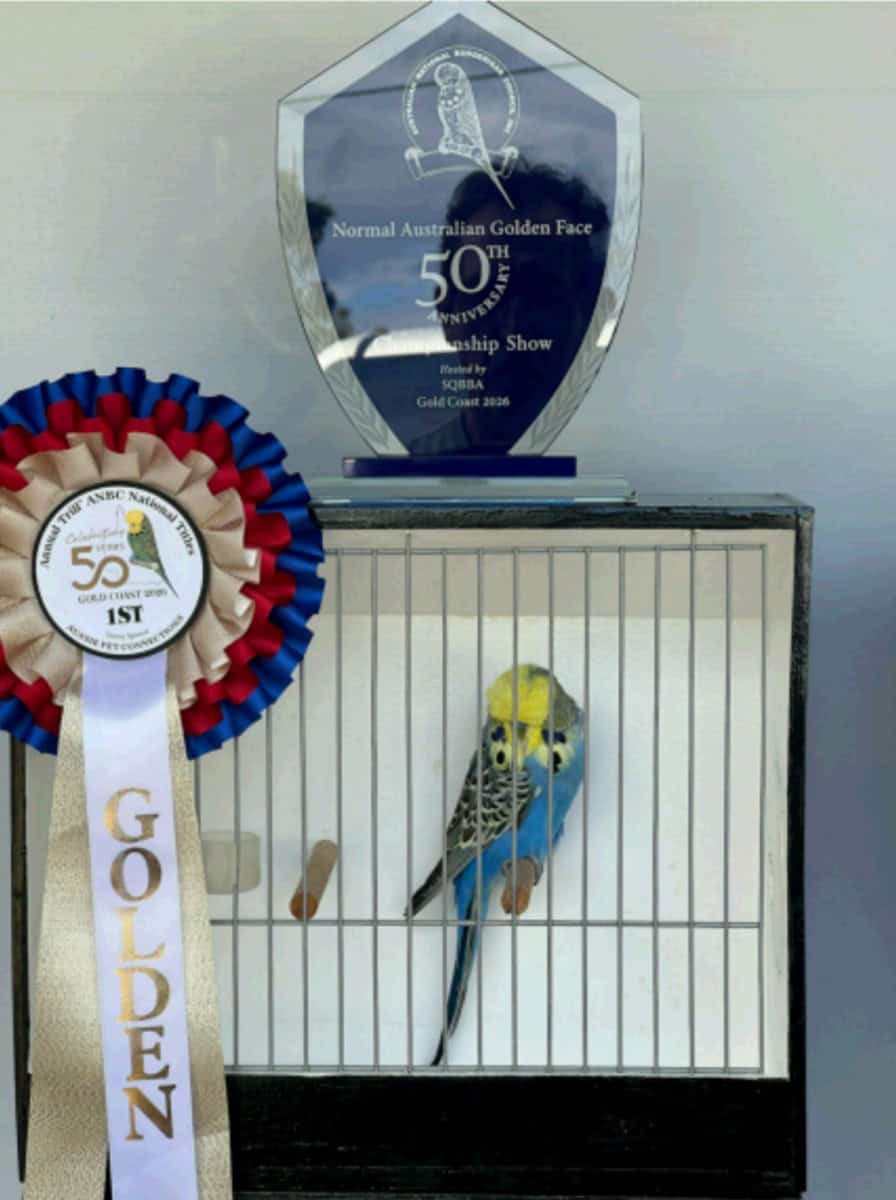
- 2026 – 1st and 8th
2026 has been my favourite time in the hobby, winning with a Double Factor Australian Golden Faced Violet and also having his brother finish eighth.
Who I Would Like to Visit
There are too many good breeders around the world to choose just one.
However, two at the top of my list would be Daniel Lutolf and Ehtashan Anwar.
I would also like to see the World Budgerigar Championships one day.
My Best Birds Bred
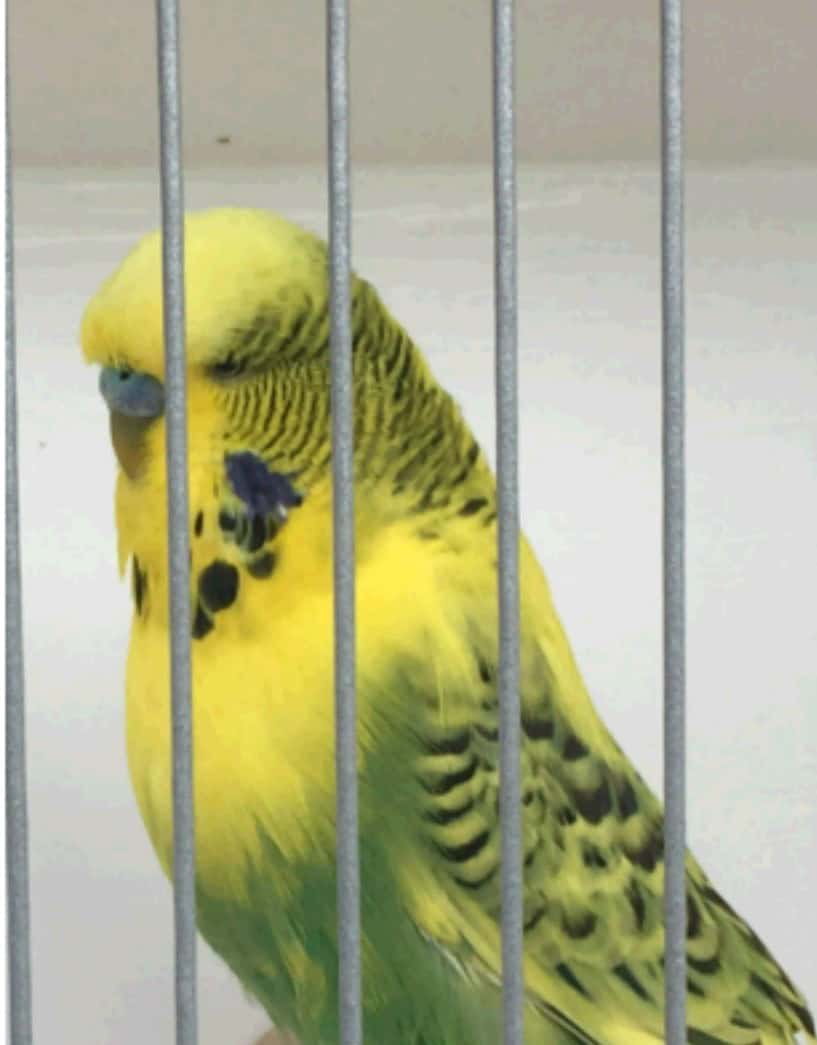
Firstly, it would have to be this year’s Australian Golden Faced winner – a beautiful Double Factor Violet which was a large bird with all the modern features and no yellow wash in the wings or body.
My third-place getter in 2023 was also a stunning Double Factor Australian Golden Faced Cobalt cock.
The other best bird I bred this year is also in the mix – a Dutch Frosted Pied which I have been told would challenge many good Normals, as he is a large bird with very modern features.
My Golden Faced Bloodlines
My Golden Faced bloodlines are from my first real mentor, Graham Banks from Boyne Island.
His birds were based on Gary Watson and some from Henry George. I have also used birds purchased from Russell Ogden and Glen Ryan.
Feeding Regime
My birds’ seed mix is made up of:
- 25% white millet
- 25% Jap
- 50% canary seed
Hulled oats are given in a separate container.
My soft food mix is made up of chopped silverbeet, to which grated carrot and beetroot are added, along with a cob of stripped corn kernels. Through this, fine calcium powder is added.
Cuttlefish is always available, including shell grit. Their water is changed daily.
The birds are also given branches and sprigs of native trees such as eucalyptus and wattles. The birds enjoy stripping these and I believe they benefit from this.
Medication and Sick Birds
My birds are wormed at least at three-monthly intervals. I generally use Ivermectin, Avitrol Plus and Moxi-T.
Once the nesting boxes have been cleaned, I spray for mites and place Coopex powder in before adding nesting material.
When I find a sick bird, I isolate it from the other birds. I try to keep it warm with a light box and give it a dose of antibiotics.
I find that if you do not get to the birds early, it does not take long before they will not respond well.
Maintaining Fertility
I find my birds’ fertility is quite strong.
As long as I keep a good food regime going and only put the birds in the breeding cages when they are in condition and eager to go, I have few problems.
I do supplement breeding birds with calcium in their water during breeding.
Issues in the Hobby
For me, it would have to be the lack of newcomers to the hobby, young or old.
Keeping and judging birds true to their Standard is paramount.
Although, along the way, we do need to be careful that what we think is a colour fault is not the start of a new mutation and that we do not miss an opportunity.
Who I Respect in the Hobby
I do my best to respect everyone.
First and foremost, it would be Graham Banks for all his support and encouragement. This man’s knowledge of all avian species and husbandry, to me, is unmatched.
Glen and Lyn Ryan for their unwavering attention to detail.
Judges like Kev O’Callahan, Neale Love and Gary Menzies for their commitment to the hobby.
Good friends like Mark Dean and Jason Major, who pick you up and encourage you when you think you are not moving forward.
About Me
My favourite food is a good grilled steak with either veggies or a salad.
I don’t watch many movies. I prefer to be outside in the garden or reading about birds. My favourite movie/documentary was Alby Mangels’ World Safari.
I also enjoy watching the NRL and follow the Sydney Roosters and Penrith Panthers.