Australian National Budgerigar Council


Breeding Normals Now And Then
Seed of Nostalgia – Breeding Normals
Compiled by Ron Hunt
In this edition of Seed of Nostalgia, we turn back the pages of budgerigar history to January 1984, revisiting an article by Canadian budgerigar breeder Tom Knox, originally published in Budgerigar World.
Tom’s observations on breeding Normals, feather quality, colour, flecking, selection and pairing provide a fascinating insight into the considerations facing exhibition budgerigar breeders more than four decades ago.
To complement the article, I have included a series of photographs comparing Australian National Show winners from the period 1970 to 1989, leading exhibition budgerigars from the United Kingdom in 1984, and winners from the 2025 Budgerigar Society of New South Wales State Selection.
These photographs provide an interesting opportunity to reflect on the development of the exhibition budgerigar over the years, as well as the differences that existed between Australian and British birds during earlier generations of the fancy.
Breeding Normals
By Tom Knox, Newmarket, Canada
Originally published in Budgerigar World, January 1984.
Thirty years ago breeding Normal budgies was relatively easy. It was only a case of considering the quality of the birds and their pedigree when it came to pairing. We were aware of the Yellow and Buff theory, for the canary people had been using it for decades and I suppose quite inadvertently we paired Yellow to Buff, by pairing good colour to poor colour.
The experts of yesteryear had a great deal of difficulty differentiating between Yellow and Buff. I am sure they wouldn’t have any problem today.
Breeding good quality Normals is much more complex in this day and age. We have to consider flecking, Yellow and Buff and the Longflight characteristics. It is my belief that you must have the Longflight, Buff and flecked birds in some degree in your stud to have a modicum of success. Every successful stud I have visited in the last few years in North America and Britain has its share of these birds and when used judiciously can be nothing but beneficial.
Quality Comes First
My stud consists of approximately 15–20 pairs of Light Greys, Light Greens, Grey Greens, Skyblues and a few Yellow Faces, Cinnamons and Cinnamon Opalines of the above colours.
Quality is my first consideration and with my system of quality control each bird is ‘starred’ at five weeks and six months. Five stars is my top quality and I only use five and four-star birds for breeding.
Colour is my next priority. I don’t like mixing certain colours. My main interest is Greys and Light Greens and I prefer to pair Grey to Grey and Green to Green. In the past I have found there was too much wastage with a Grey to Green pairing. The Greys and Grey Greens in the nest would be good but the Greens seemed to suffer and were never the same quality. This may only be common to my stud. So rather than breed inferior Greens, I keep the colours apart. I would prefer to have only one colour in all nests.
The Grey Green is invaluable as it can be used either as a Green or a Grey and I do use it with both lines when I want to pick some point up from one line or the other. This sounds like a slight contradiction. The Blues produced from both lines can also be used with either, but all in all I prefer to breed the same colours together. I feel the basic colours have reached a point of development where they only need selection within their own colour to effect improvement.
Most people seem to use Opalines as outcrosses for Normals, but I have never been very fond of Opalines and have used them very sparingly, because of the undesirable traits inflicted on the Normals. I see too many good quality Greens on the show bench spoiled by the flush of yellow on the neck and head, and wing markings which are black and green, rather than the desired black and yellow.
My preference is for Cinnamon and Cinnamon Opaline hens paired to Normal cocks. This helps to give the desired feather quality and if good coloured Cinnamons are used the colour of the Normals does not suffer.
This pairing gives split cocks and Normal hens. The split cocks are best paired to Normal hens in the following years and this technique keeps down the number of Cinnamons produced.
I never use dark factor birds, for here again the colour of the Normal suffers. Usually the rump and underparts of the birds become suffused with the darker shade, especially in the Light Greens.
Best for Pairing
Due to circumstances rather than design (I haven’t been breeding many cocks in the last few years), I keep at least two hens for every cock and try to put every cock over two hens. This gives me a good supply of half brother/half sister pairings if they are required and if they are suitable.
Hopefully, every year I come up with a cock which excels in some point or points – usually head and mask qualities. This bird is paired to as many hens as it is possible. These hens are the best quality available and the most suitable for the cock. Here again I get a good cross section of half brother/half sister pairings the following year.
This good cock bird does not necessarily have to be a show specimen. In fact it usually is a good big stock bird.
By this time you will have realised that I line breed. All the best livestock in the world today is line bred, and the budgerigar is no exception. The pairings which are most successful for me are half brother/half sister, cousin to cousin, aunt to nephew, uncle to niece and granddaughter to grandfather. Line breeding is less intense than inbreeding, but does give some control over strain characteristics.
I wrote earlier about flecking. I use a few flecked Cinnamon Opaline hens with good head qualities, paired to clean Normals. This usually gives me a fair percentage of clean Normal youngsters with improved head qualities. I do not advocate using these flecked birds indiscriminately – one has to know your own birds and how they will react.
Regarding the Longflight characteristic, it varies in its degree of penetrance and here again it has to be used carefully. Most of the top birds today show Longflight tendencies, and combined with Buff help to keep up the size. I like to use what I call ‘the mid-Buff’ and this, paired to a Yellow, will give the desired feather length. I am glad to see the really coarse birds are disappearing from the show bench.
Compatibility
My pairings are made as soon as I have decided on the birds I am retaining. Considering all the points I have mentioned, I pair birds which I feel will be compatible in colour, pedigree and type.
I choose two hens for every cock. Partners are found for my first round hens and I don’t necessarily pair best to best, only if they are best suited.
Some pairs are paired because of their strong points, others if they are lacking in a feature. A partner is then found which excels in that point. If I don’t have a partner suitable for a certain hen, I will hold it back. There is no point in breeding just for the sake of breeding. Second round hens are chosen in the same way.
This reads like ‘Budgie Breeder’s Utopia’, but like everyone else I have my ‘ups and downs’ but I do breed a good percentage of winners.
Talking of ‘percentages’, a few years ago in Newmarket, England at the thoroughbred racehorse yearling sales, 400 yearlings were sold, some for large sums of money. A leading trainer said ‘of those it would be lucky if 10 or 12 turned out to be top racehorses.’ That is 2.75%. How is your percentage?
Tom Knox
Newmarket, Canada
Source: Budgerigar World, January 1984, pages 5–6.
The Evolution of the Exhibition Budgerigar
Photographic comparisons and commentary by Ron Hunt
To accompany Tom Knox’s article, I have selected twelve photographs representing three different groups of winning exhibition budgerigars. These provide an opportunity to compare the development of our birds over the decades, as well as the differences between Australian and United Kingdom exhibition budgerigars at the time.
Australian National Show Winners – 1970 to 1989
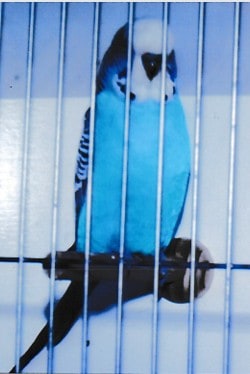
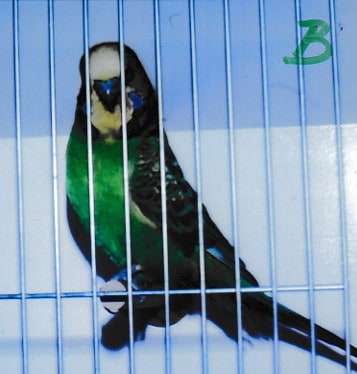
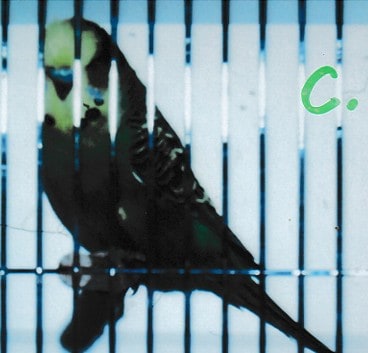
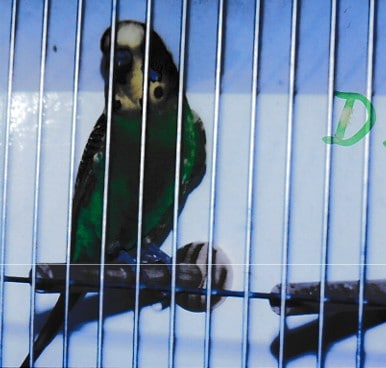
Photographs A, B, C and D were all winners at the ANBC National Show during the period from 1970 to 1989. They provide a historical reference point for the quality and characteristics of Australian exhibition budgerigars during those formative years of our National Show.
Photograph A |
Photograph B |
Photograph C |
Photograph D |
Above: Photographs A–D represent winning exhibition budgerigars from the Australian National Show between 1970 and 1989. Photographs supplied by Ron Hunt.
United Kingdom Show Winners – 1984
Photographs E, F, G and H represent winners in the United Kingdom in 1984, the same year in which Tom Knox’s article was originally published.
Of particular interest is the fine feather quality, the neat masks and the well-defined spots of these birds. The British birds were also considerably bigger than our Australian exhibition budgerigars at the time.
These photographs provide an interesting comparison with the Australian winners from the corresponding era.
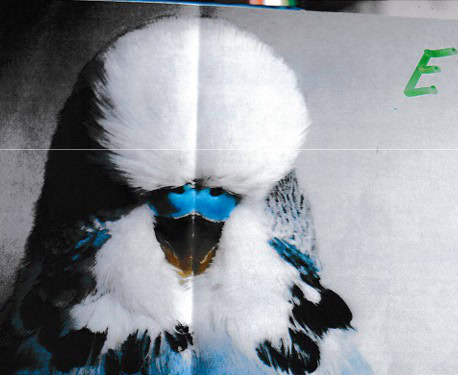
Photograph E |
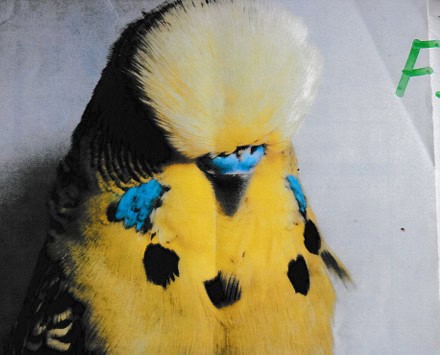
Photograph F |
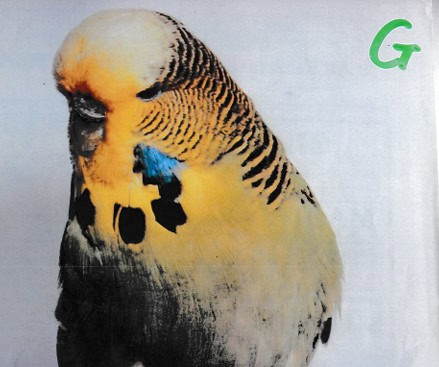
Photograph G |
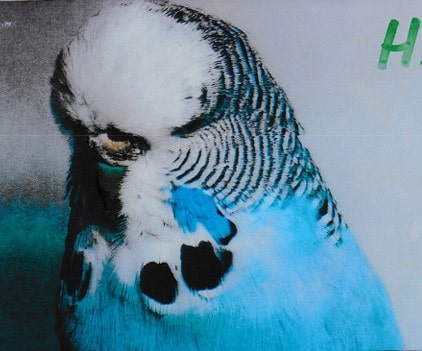
Photograph H |
Above: Photographs E–H represent United Kingdom show winners from 1984. Note the fine feather quality, neat masks and well-defined spots. Photographs supplied by Ron Hunt.
Budgerigar Society of NSW State Selection Winners – 2025
Photographs I, J, K and L were all winners at the Budgerigar Society of New South Wales (BNSW) State Selection in 2025.
Comparing these birds with those from the earlier Australian National Shows and the United Kingdom winners of 1984 provides an opportunity to appreciate the development of the exhibition budgerigar in Australia over the intervening decades.
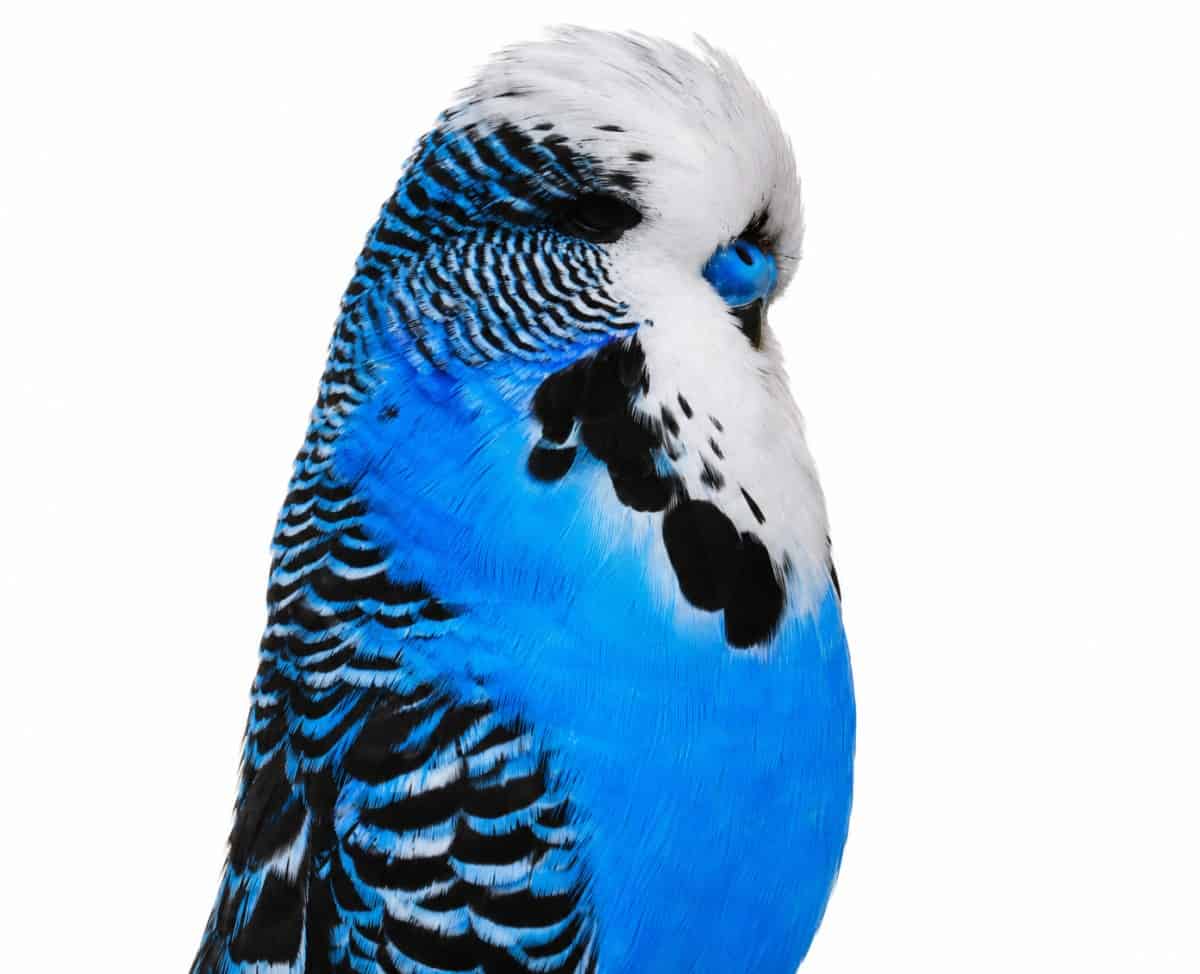
Photograph I |
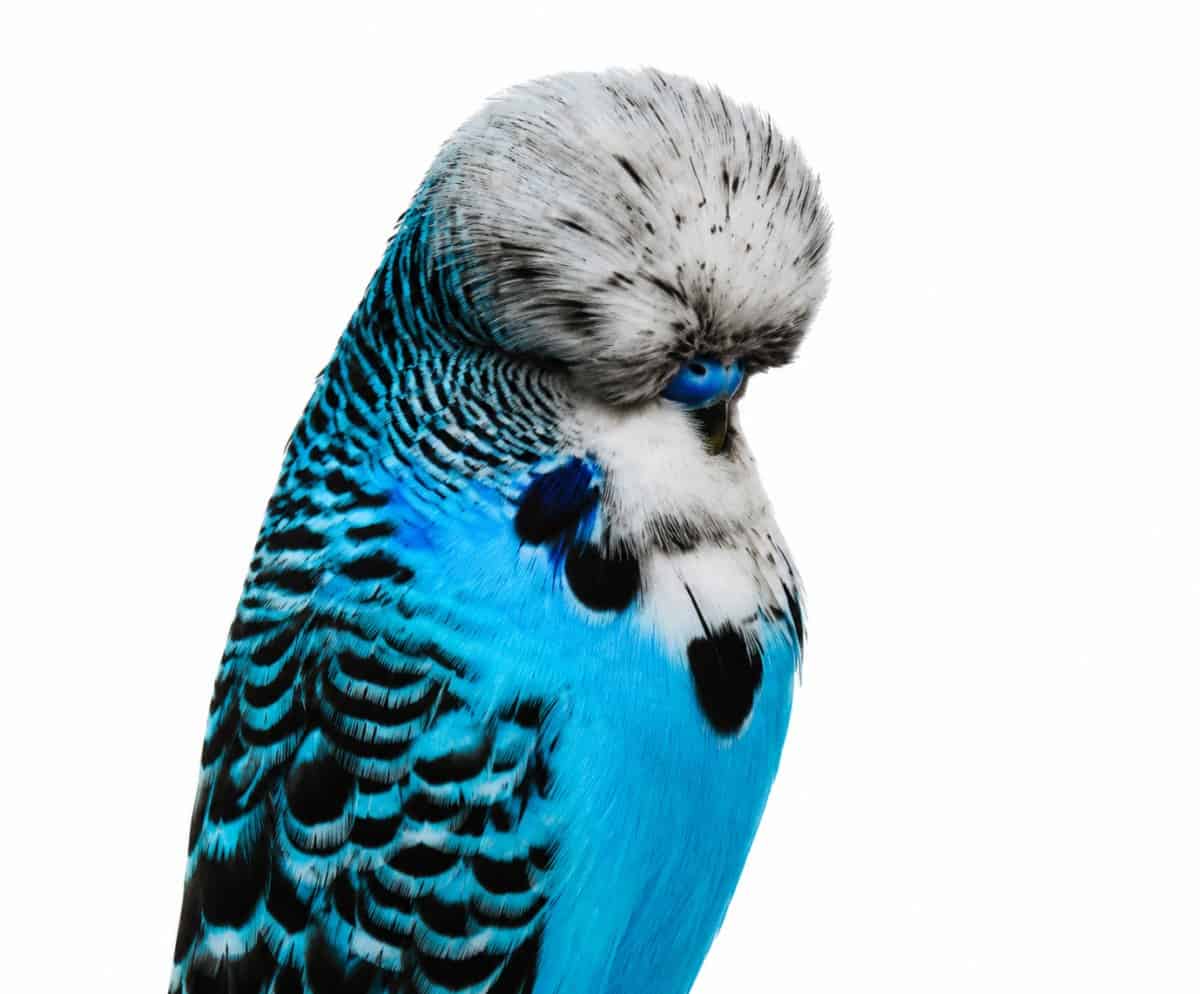
Photograph J |
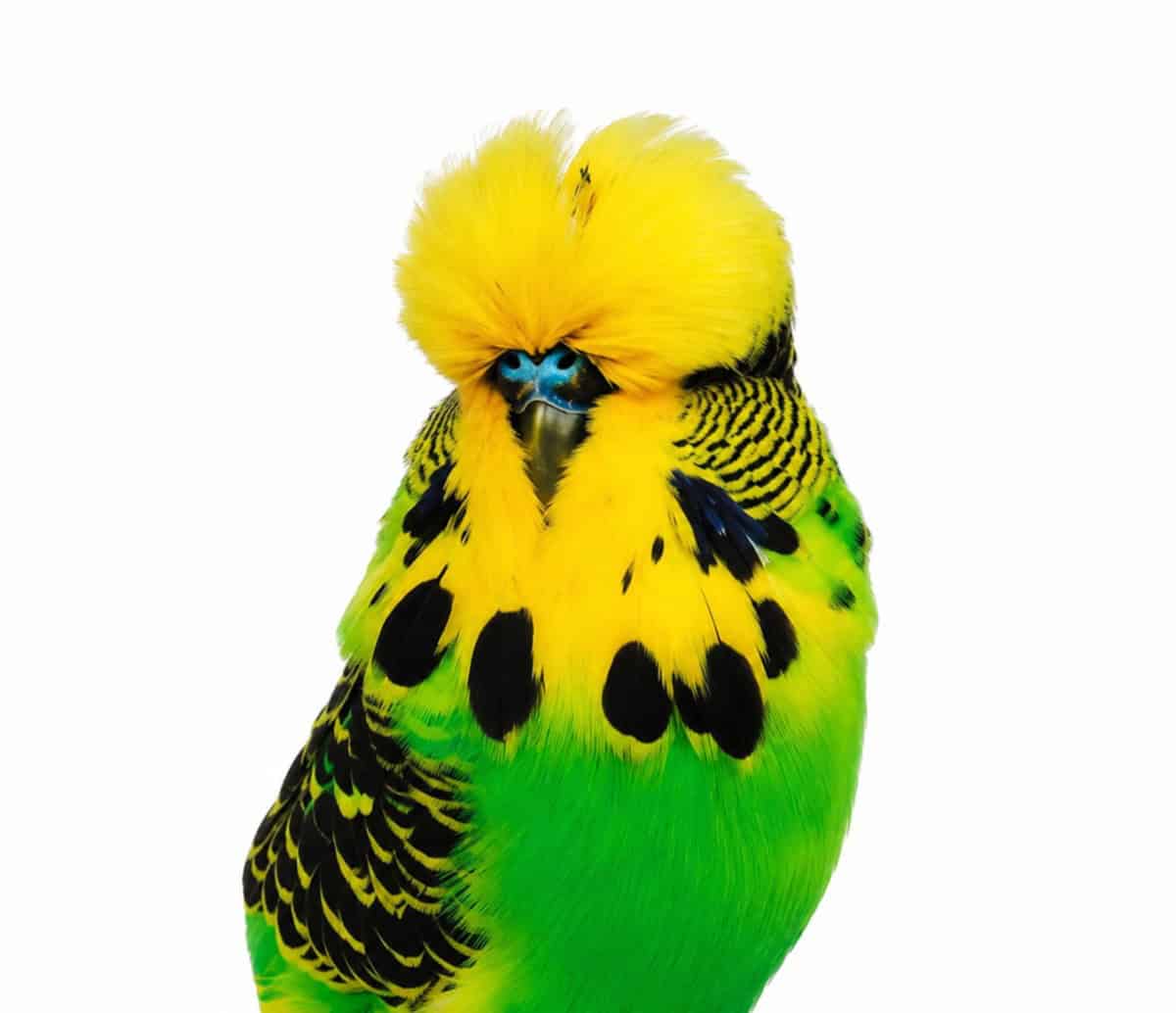
Photograph K |
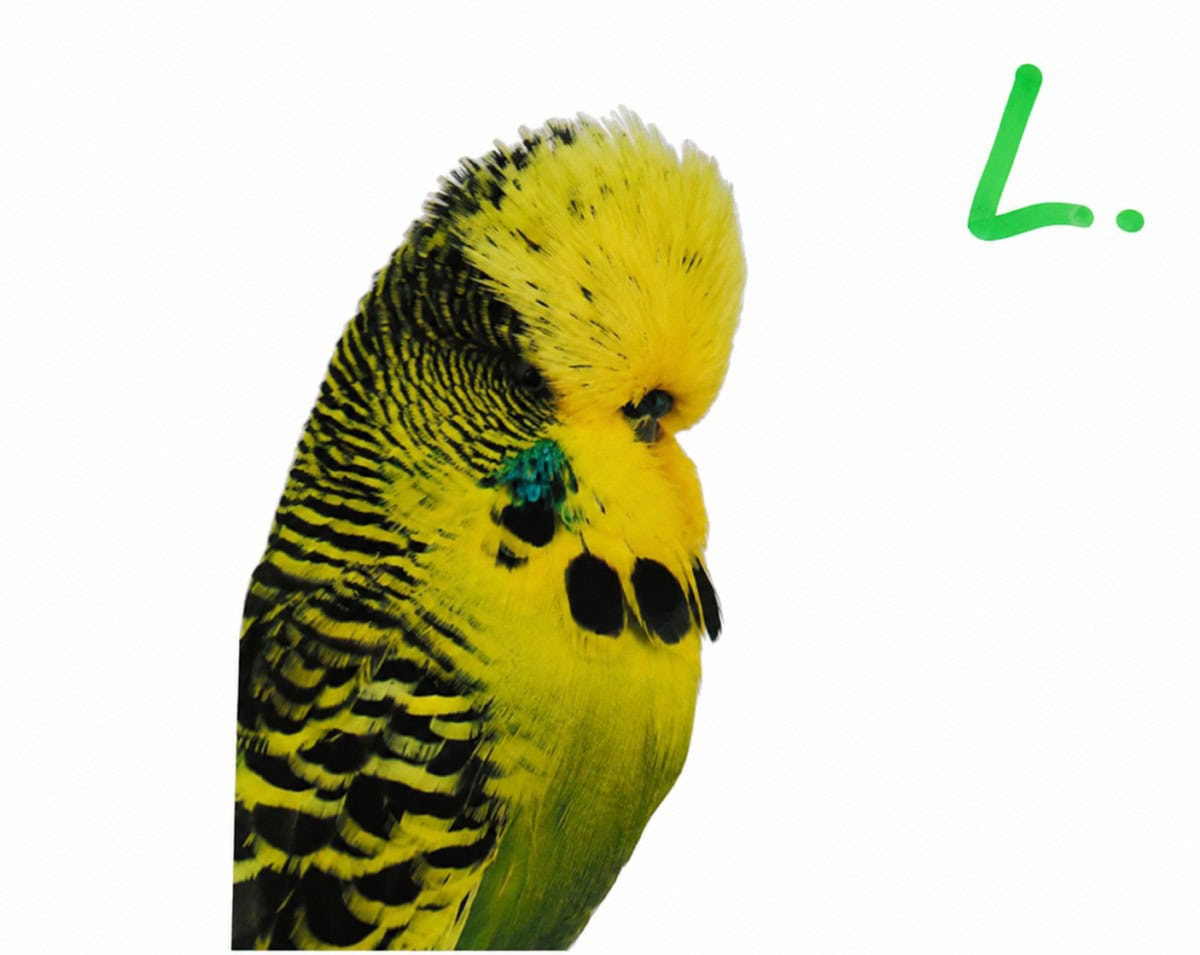
Photograph L |
Above: Photographs I–L represent winners from the 2025 Budgerigar Society of New South Wales State Selection. Photographs supplied by Ron Hunt, with AI-assisted image enhancement.
Reflecting on Our Past
The purpose of bringing these photographs together is to illustrate the development of the exhibition budgerigar over time and to compare the birds being exhibited in Australia and the United Kingdom during different periods of our hobby’s history.
Tom Knox’s article provides an interesting backdrop to these comparisons. His observations on feather quality, colour, head features, breeding compatibility and selection are a reminder of the considerations that occupied breeders more than forty years ago.
Looking back at these photographs allows each of us to reflect on where the exhibition budgerigar has come from, how it has developed and the qualities we continue to value today.
Ron Hunt
Seed of Nostalgia – December 2026
Seed of Nostalgia is a regular ANBC feature compiled by Ron Hunt, revisiting historical articles, photographs and memories from the Australian and international budgerigar fancy, preserving the knowledge and experiences of earlier generations of breeders.