Australian National Budgerigar Council


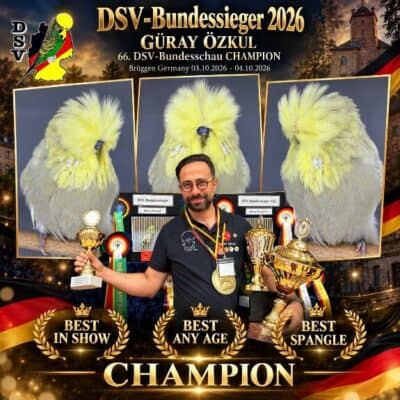
Guray Ozkul 2026 DSV Show Champion
International Budgerigar Fancy | Breeder Interview
Winner of the Prestigious 2026 DSV Show in Germany
Güray ÖZKUL
Champion Exhibition Budgerigar Breeder | Judge | Istanbul, Turkey
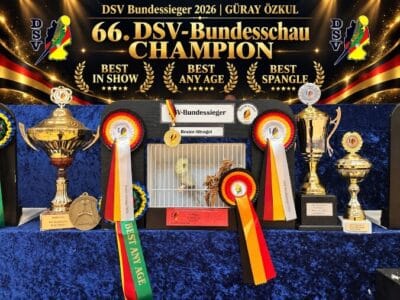
During the summer and autumn, Güray Özkul took part in three major bird events on the European show budgerigar calendar. In August, he competed at the BGC show in Belgium and attended the AZ-European Show in Karlsruhe as a visitor. His show season continued in October with the DSV show in Brüggen, Germany, where he once again competed with his birds.
In this digital interview, Güray shares his impressions of these events, his perspective on the shows themselves, and, most importantly, how he prepared his birds for this demanding undertaking. His approach can certainly be described as successful. Yet his story is about more than competition results, careful selection and preparation. The welfare of his birds was also a key consideration. In this respect, he benefited from the support and practical assistance of Belgian friends, who helped him find a responsible balance between competitive ambitions and the needs of his birds. What decisions shaped his preparation? How did he balance performance with animal welfare? And what lessons can fellow breeders draw from his experiences?
In the following interview, Güray Özkul shares the methods, insights and experiences behind his approach, offering a glimpse behind the scenes of a breeder who strives for outstanding results without losing sight of the birds themselves.
Photos and text: Güray Özkul (original content and photographs) & Peter van Amelsvoort (NL)
My sincere thanks to Güray Özkul for taking the time to answer my questions and for sharing his experiences, insights and approach to breeding exhibition budgerigars. Once again, congratulations on your outstanding success at the Deutsche Standard-Wellensittich-Züchter-Verein (DSV) show in Brüggen. I wish you continued success in your breeding programme and many more achievements in the future!
The Breeder Behind the Birds: Experience, Selection and Bloodlines
How long have you been breeding exhibition budgerigars, and how did you first get into the hobby? What was your first major success at a show?
GÖ: Like everyone else, I started this hobby as an amateur when I was 19 or 20 years old. While I was in college, I realized I wanted to pursue this passion more seriously. I think it was between 2009 and 2010. My first major achievement was winning all the major awards, titles, and trophies at the 2nd WBO World Championship held in Istanbul. It was November 2014. As a young man, I appeared on television. That’s when I realized just how important winning is for a coach. I still miss those days. I was so passionate.
What does your breeding setup look like, and how many pairs do you normally breed?
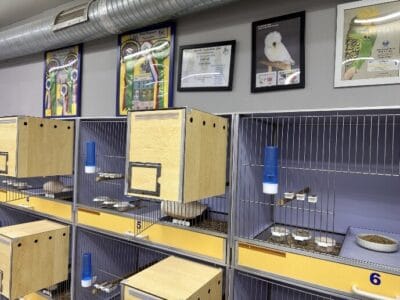
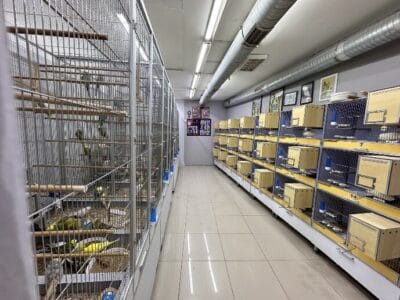
GÖ: I have 35 breeding cages. I start breeding around November each year and finish around June or July. My setup is completely professional. I have an average of 350 to 400 birds. For me, breeding means first having a good plan, then working with discipline, and being patient. The birds I work with have had special mutations in recent years and are very challenging.
What are the main traits you look for when selecting breeding birds?
GÖ: I select breeding birds exclusively from my own family those with the best lineage, having gone through a healthy infancy, adolescence, and moulting periods. But I am very strict when it comes to breeding birds. I never breed birds with physical or behavioural defects. For example, if a bird is otherwise excellent but has deformed feet, it cannot be kept that line ends there. Similarly, chicks that are extremely timid or aggressive such as those that refuse to eat or fall out of the nest—cannot be kept, even if they possess the best phenotype. I do not keep the offspring or the parents themselves of birds that do not breed well, cannot fly, do not pair up on their own, do not care for their own chicks, are extremely timid, extremely aggressive, or are poor parents. Physically, they must be birds with wide-open eyes, feet that stand firmly on the ground, and self-confidence. I select birds with fully developed wings and tails. We must be very selective to ensure a good generation.
Which bloodlines or breeders have most influenced your stud?
GÖ: Stability and discipline knowing what you want calmly, without rushing are, in my opinion, the most important bloodline.
The first thing I did was choose a mentor: Maarten Heylen (HHW1). In my opinion, he’s the best in the modern budgie world right now. He has incredible birds. Another one is Mathieu Bily (MJB69). When it comes to how to raise modern birds, I think we complement each other very well mentally and support one another. Buying birds from just anywhere means you’re paying for all the risks. Belgium has been a huge stroke of luck for me. I’ve patiently bred these birds with my own stock, refining the line since 2016. For me, a show budgie must be a self-assured creature. It must possess an incredible sense of self-confidence. Budgies are very intelligent animals.
Accommodation, Travel & Preparation
Accommodation: How do you manage housing and keeping the birds comfortable during travel and show days?
GÖ: If you manage things and pay attention to the finer details by understanding the birds’ stress levels, everything becomes very easy. I competed under more difficult conditions than the other contestants, but I never make excuses. I’ve been competing with my birds and serving as a judge for about 20 years. In my opinion, experience is my greatest guide in this matter. I actually provided a detailed answer to this question in my response to the first question.
Travel & Preparation: How was the journey, and how do you prepare your birds for such long trips and international transport?
GÖ: Travel has always been stressful for me and my birds. I trained my birds in show cages for a long time. Before that, since they would be exposed to high levels of stress, I gave them some soothing supplements. I used plenty of probiotics and electrolytes. The most valuable part of any living being is its sensitive gut and digestive system. After my birds arrived at my cousin’s place in Moers, Germany, my cousin took them to Mathieu Bily’s home in Belgium. I went to Lesterny days before the Brüggen Show to prepare them, and Mathieu and I prepared the birds together.
The key is managing and preparing the birds to cope with stress. My birds were very calm and well-trained during this competition.
How do you prepare your birds for major exhibitions?
Actually, I’ve answered this question before. I raise my birds first and foremost so they aren’t afraid of people, by training them in the show cage and the studio cage. Unfortunately, birds that are genetically timid or easily stressed cannot be good show birds. I start preparing the birds even before breeding them through selective breeding. I select my birds exactly two months before the competition and feed them a diet high in protein and amino acids. In addition, I provide competition cage training and judge training. Most of the time, they know they’re supposed to be afraid of the judges and people.
The Shows, Differences & Experiences
The Shows: Which specific shows did you attend in Belgium and Germany, and what were your highlights or results?
GÖ: As a member of the BGC, I regularly compete in the Champion class in Belgium every year, achieving various rankings and results. I had long dreamed of this year’s victory in Brüggen and had been preparing myself and my birds for it. For me, it was a very significant, prestigious, and highly respected competition. My main goal this year was to win Brüggen and I did.
Differences & Experiences: Did you notice any notable differences between the shows, judging styles, or bird enthusiast communities in Belgium compared to Germany?
GÖ: I participated in the last three competitions: in August, Belgium (BGC) and the European Show (AZ Karlsruhe), followed by Brüggen (DSV) in Germany in October.
I attended the European Show as a visitor, but I competed in the other two competitions. In my opinion, the three shows were quite different from one another. The level of the birds in Belgium is incredibly high. Although there were a large number of birds competing, the average quality of the birds was very high. Second, this year’s Brüggen show was a very challenging and large event, with approximately 1,300 show budgies competing many of them top-quality birds. The European Championship is a very special competition, but in my opinion, the biggest problem was that the weather was extremely hot, and the birds weren’t in top condition. Brüggen was held during a slightly better season in this regard. I congratulate everyone for their hard work. Being part of these three wonderful competitions was very special to me. The judges, breeders, and volunteers who helped with the Show, these competitions are very challenging and require a great deal of effort.
In your opinion, what was the key factor behind this year’s win?
GÖ: Passion, a strong desire, and patience. Hard work and attention to every detail. No success can be a matter of chance. This success was achieved over many years. No one without experience can win such a major competition.
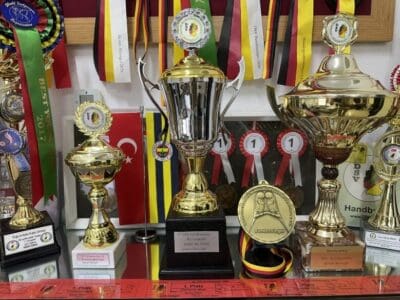
Health and the Future of the Fancy
What is your view on the importance of paying more attention to longevity of our budgerigars by taking more cognisance of the physical characteristics and inheritance of our modern birds?
GÖ: In my opinion, a bird’s longevity depends on the breeders. The chicks of parents that grow up with strong immune systems start their lives in the same way. And this begins with you. I think many breeders aren’t aware of just how important bird care is. You can buy a good bird, but to raise it healthily, you need to pay attention to its care and nutrition. I believe it’s 70% care and nutrition, 30% the bird itself. I’ll go so far as to say that a bird that doesn’t eat good feed will never have a good breeding season or moulting period. For 10 years, I’ve been able to feed my birds very well with my G1 Experience-branded feed and natural, additive-free products. Commercial products are never enough for top-tier birds. French moult is largely caused by poor diet and malnutrition. Birds can’t manage their own immunity or stress you have to do it for them. If you constantly use birds for breeding say, four times in a row without a break those birds will never live long. Everything is good in moderation. We must not forget their hormones and their unique characteristics.
How do you view the future of the hobby in the UK and Europe?
GÖ: This hobby has existed in the UK for over 100 years. It’s a hobby passed down from father to son and from grandfather to grandson. That’s why this culture continues in the same way.
In Europe, except for a few leading countries, the number of participants is low. There aren’t many young hobbyists. The future depends on those who are actively maintaining it and building a solid foundation. I don’t think it will grow. In my country, there are an incredible number of people who keep budgies, but they aren’t organized. I think the biggest difference is that, for this culture to continue, young breeders need to be firmly integrated into the community from the ground up.
What advice would you give to young or new breeders aiming for success?
GÖ: In my opinion, the younger generation wants to achieve success quickly in everything they do. This is a major problem. They should learn from experienced people. Before turning to expensive birds, they need to understand how these birds breed and are fed. I recommend that they choose one of the successful, active breeders who have been pursuing this hobby for a long time as their mentor. They shouldn’t buy birds from just anywhere. They need to be patient and take it step by step.
You can add something to the interview.
Thank you very much for conducting this interview. I look forward to seeing you in a future interview.
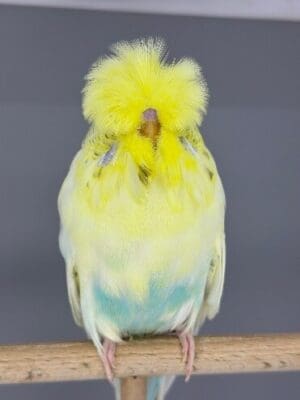
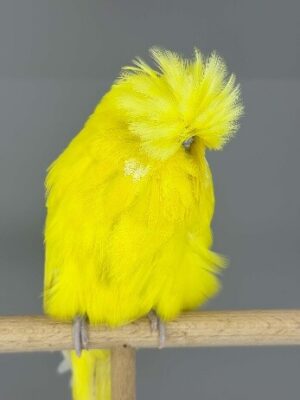
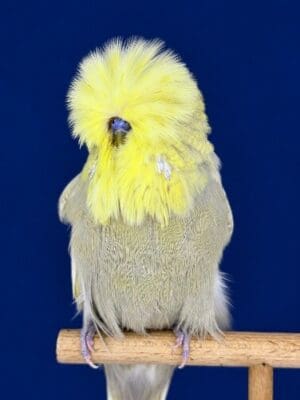
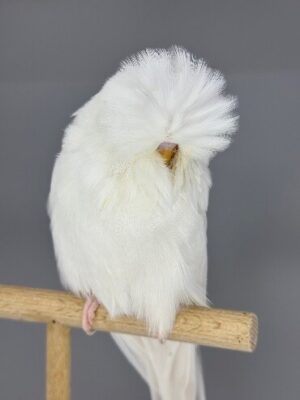
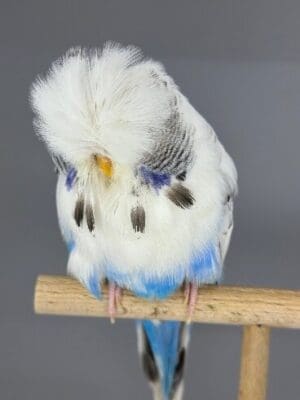
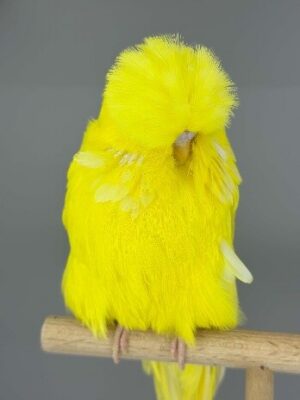
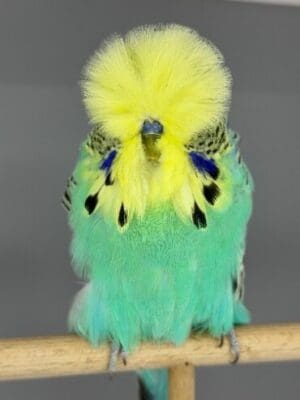
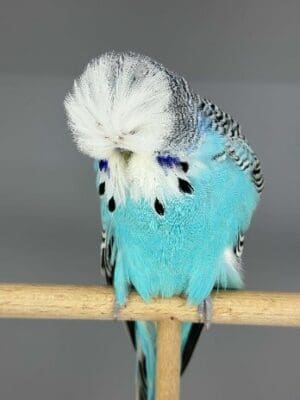
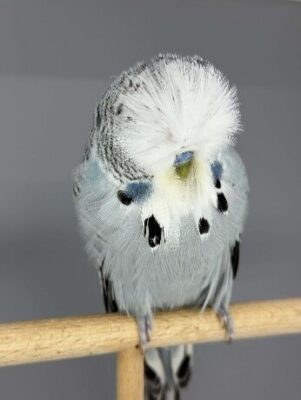
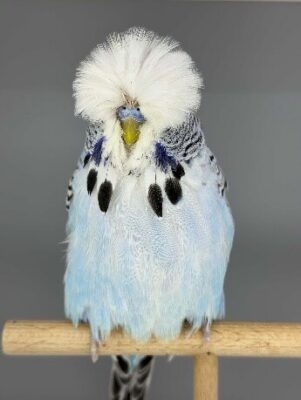
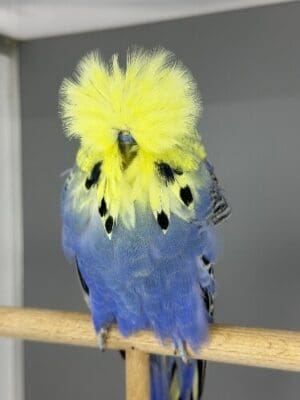
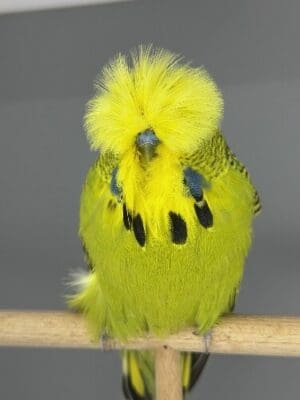
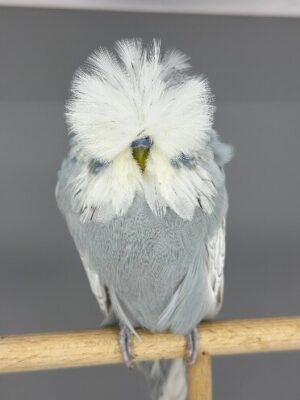
A small selection of his top-birds.